Below Ground and StructureBELOW-GRADE WATERPROOFING SYSTEMS
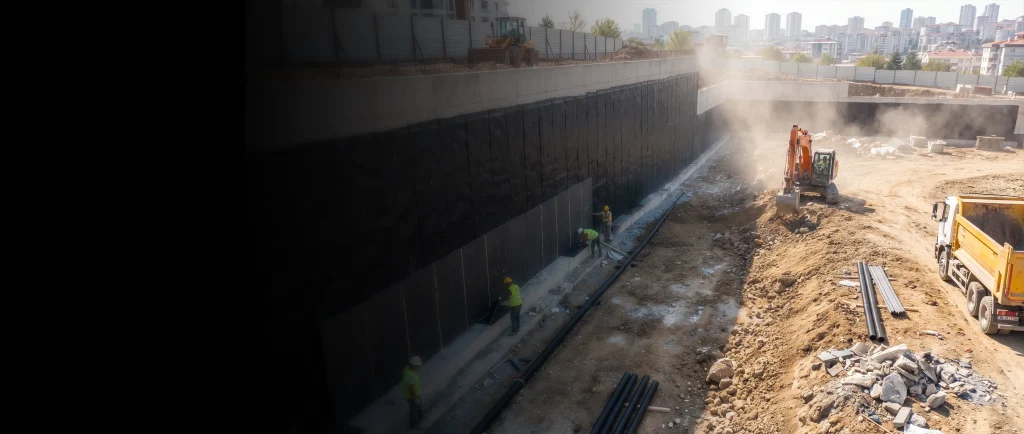
Below ground, water does not arrive and leave. It stands against the structure and the soil pushes it. These systems keep it out of foundations, retaining walls, basements, lift pits and buried decks, from the layer applied before the concrete is poured to the joints where most failures begin.
The Challenge
• A below-grade membrane is covered as soon as it is finished. Backfill goes in, the slab goes down, and that surface is not seen again for the life of the building. When water finds a way through, it appears somewhere inside, often a long way from where it entered, and reaching the entry point means excavating.
• So the decisions are made before the concrete is poured: whether the membrane goes on the blind side or the outer face, whether the structure will carry standing water or damp soil, how the construction joints are treated, and what protects the membrane while the trench is backfilled.
” Most below-grade failures are not membrane failures. They are joints, penetrations, and damage done after the waterproofing was signed off.”
Below Ground and Structure↓ SYSTEM SELECTION MATRIX ↓
• Condition
1 · No access to the outer face after the pour → 2 · Accessible outer face, standing water → 3 · Complex geometry, many penetrations → 4 · Damp substrate, tight programme → 5 · Soil and planting over the structure → 6 · Negative side, or waterproofing cast into the concrete → 7 · Load, movement or speed justify the cost →
Below Ground and Structure1 · PRE-APPLIED BONDED MEMBRANE SYSTEM
When it is preferred:
There will be no access to the outer face after the pour. Raft foundations, blind-side retaining walls cast against shoring, lift pits and shored excavations all share the same problem: once the concrete is in, the waterproofing can never be reached again. A pre-applied system solves it by putting the membrane down first and letting the structure bond itself to it.
1 · Pre-applied bonded membraneSYSTEM WORKFLOW
Pre
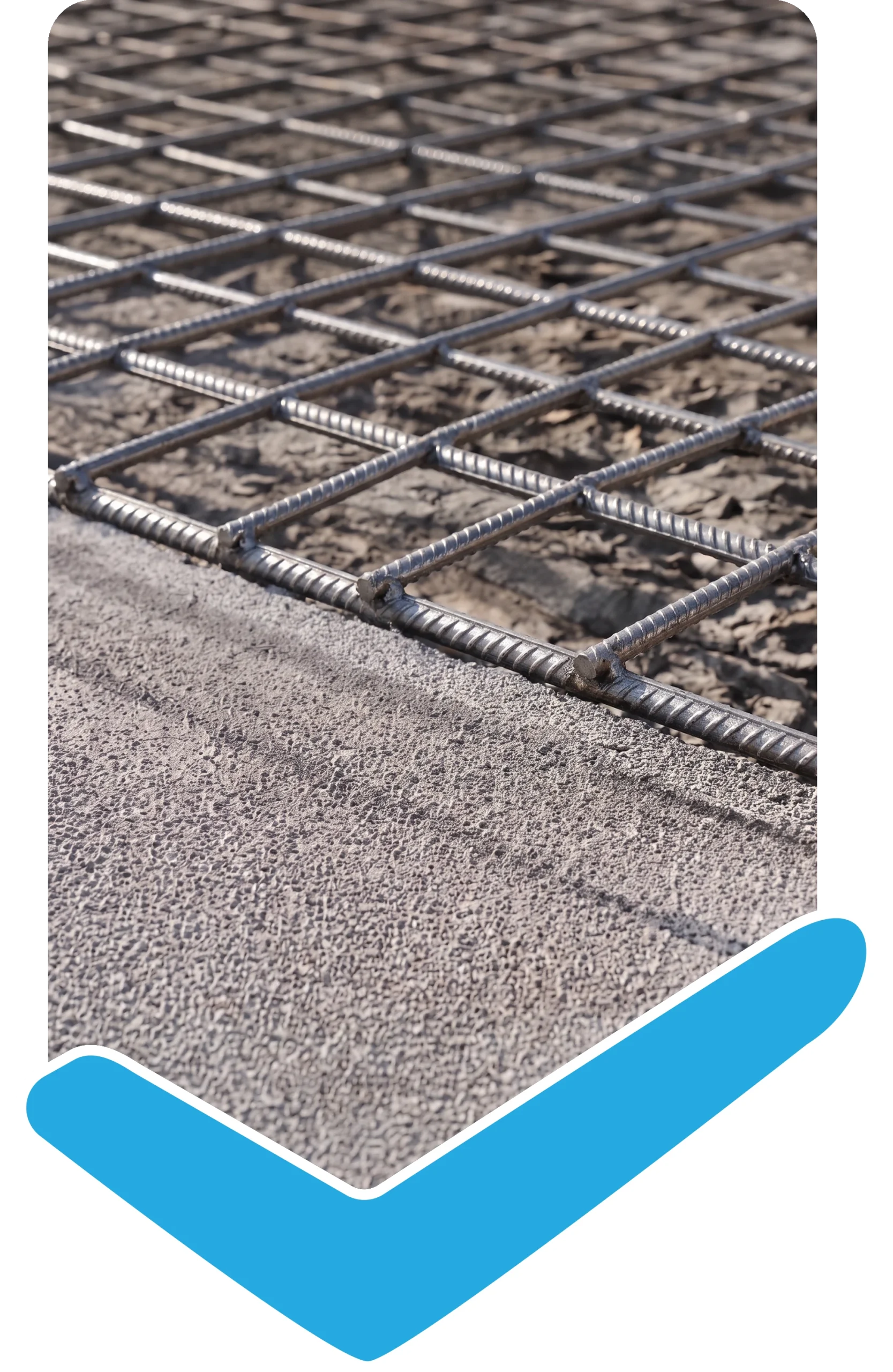
• Blinding concrete or formwork clean, even and free of protruding material • Standing water removed; the surface may be damp • Joint elements set out before laying begins • Sheet layout planned so that overlaps run with the direction of the pour
How ıt work
The membrane is laid before the reinforcement, with its sand-coated face upward. Fresh concrete is cast directly onto it, and as the concrete hydrates it grips that textured face and forms a bond across the whole area.
That bond is what separates this system from every other one on this page. In an unbonded system, water that gets past the membrane at any single point can travel between membrane and structure until it finds a crack, and the leak then appears far from the breach. Here there is no gap to travel through. A puncture stays a puncture.
Post
• Overlaps checked and sealed before reinforcement is placed • Membrane protected from site traffic, dropped tools and reinforcement ends • Damage repaired before the pour, never after
1 · Pre-applied bonded membraneTECHNICAL NOTE
A bonded pre-applied sheet is the only configuration in which a puncture does not become a leak somewhere else. Everything depends on the concrete reaching the membrane, so the pour is part of the waterproofing.
Key outcomes • Single layer, no hot work on site • No dependence on future access to the outer face • Leaks stay where they start, which makes them findable
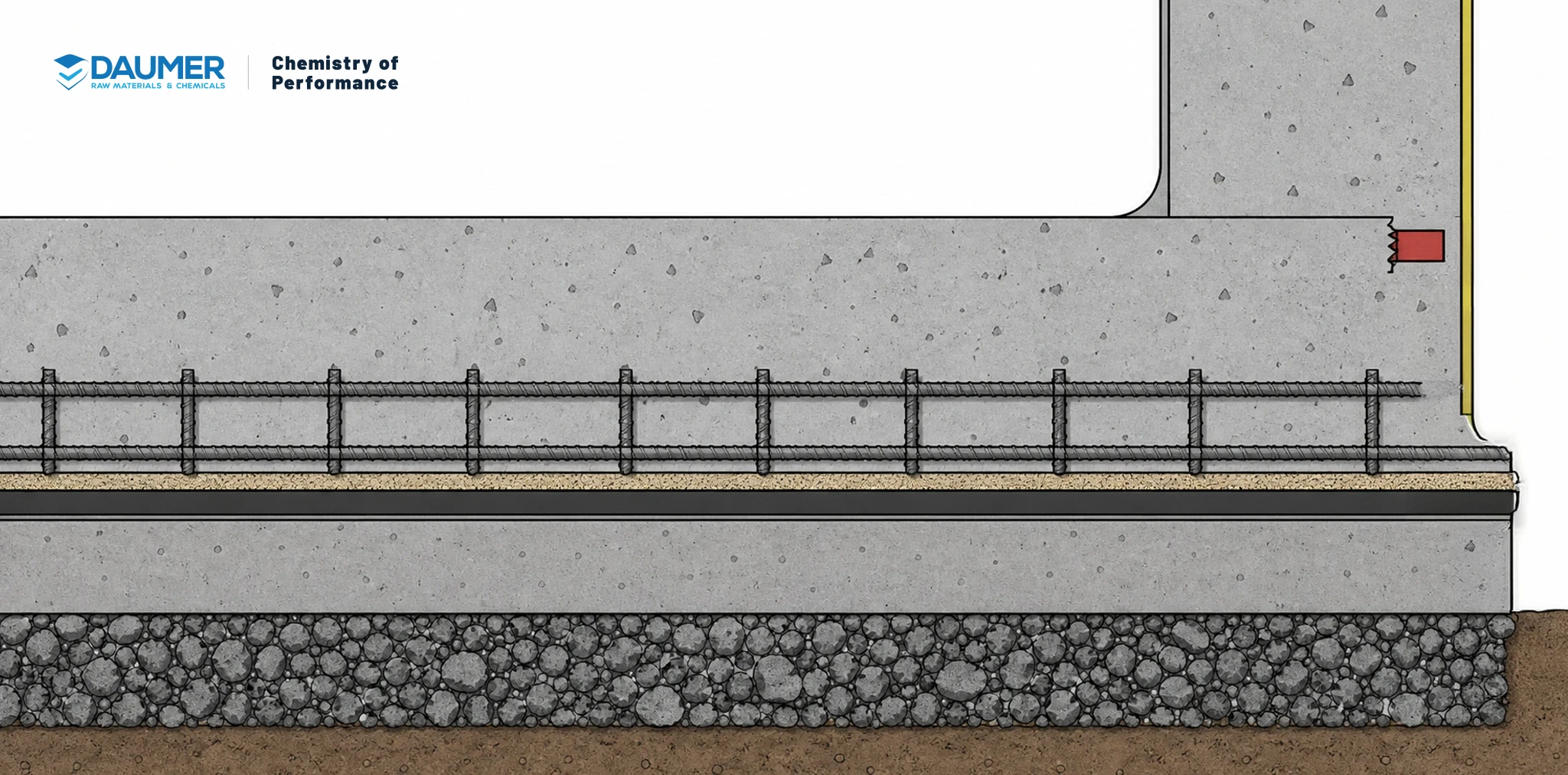
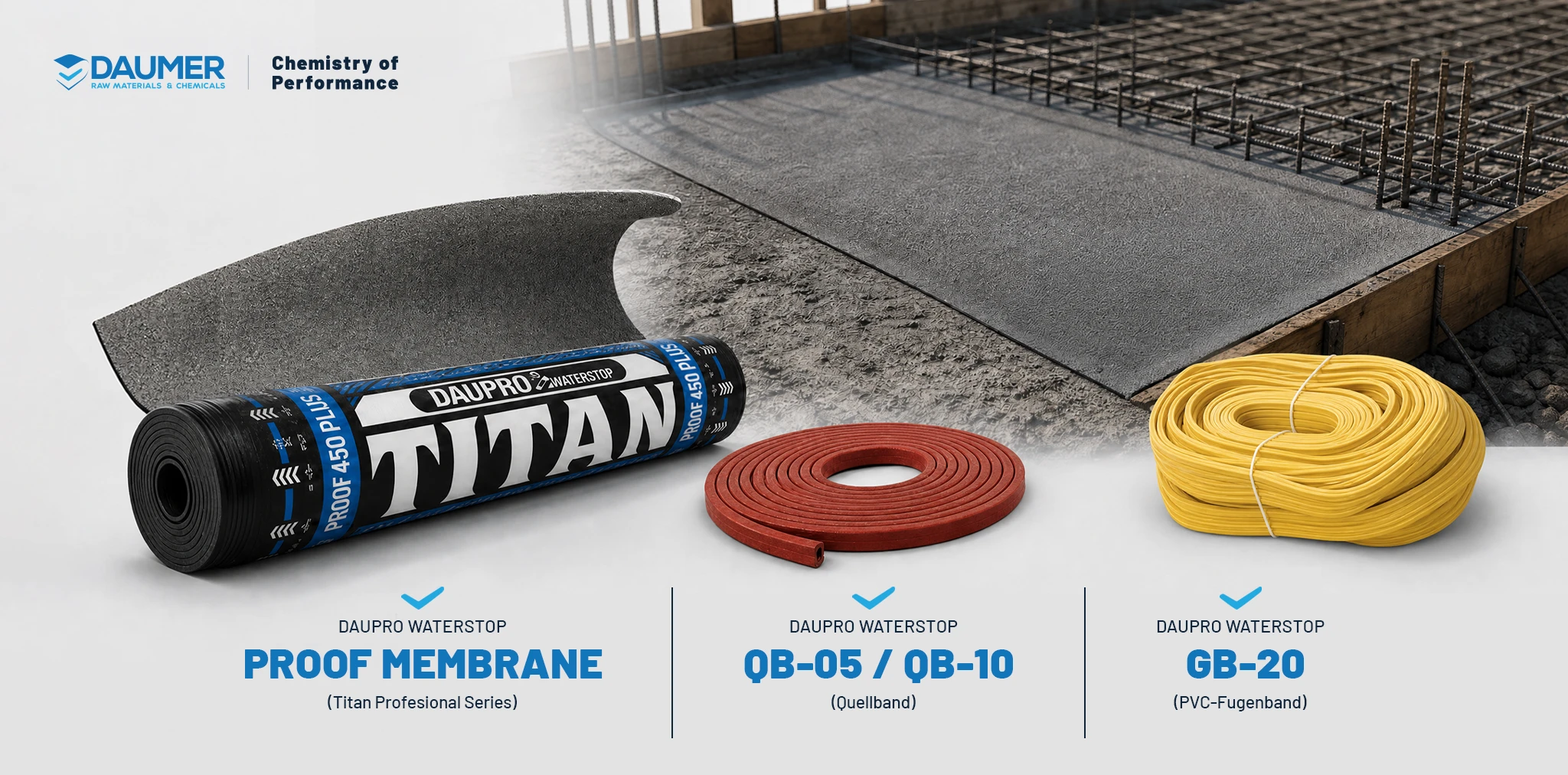
Products • DAUPRO WATERSTOP PROOF · pre-applied bonded membrane, laid sand face up • DAUPRO WATERSTOP QB-05 / QB-10 · hydrophilic swelling bar for construction joints • DAUPRO WATERSTOP GB-20 · PVC waterstop cast into movement joints
Joints and penetrations · Recommended – Swelling bar along construction joints between pours – PVC waterstop where a movement joint passes through the structure – Penetrations sealed before the pour, not after
Below Ground and Structure2 · TORCH-APPLIED BITUMINOUS MEMBRANE SYSTEM
When it is preferred:
The outer face can be reached after the pour, the structure will face standing water or hydrostatic pressure, and the programme allows a sheet system to be laid and inspected. This is the traditional route for foundations, retaining walls and basement walls, and it remains the most inspectable one: every metre of overlap can be seen and tested before it is covered.
2 · Torch-applied bituminous sheetSYSTEM WORKFLOW
Pre
• Concrete cured and sound • Honeycombing, tie holes and surface defects repaired with DAUFORM RPM-S or RPM-L • Fillets formed at wall and slab junctions so the sheet is never asked to turn a sharp internal corner • DAUGUARD BITUM PRIMER applied over the whole area and left to dry
How ıt work
Bituminous sheets are built on a carrier, and the carrier decides how the sheet behaves. A glass-fleece carrier is dimensionally stable and takes very little strain, which makes it the lower layer in double-layer work. A polyester carrier stretches and takes mechanical load, which makes it the upper or single layer.
The bitumen itself is modified in one of two ways. APP modification gives heat stability and suits temperate and hot conditions. SBS modification keeps the sheet flexible at low temperature, which matters when the structure is waterproofed in winter or the region is cold.
Sheets are torch-welded at the overlaps, and the overlap is where the system is made or lost.
Post
• Every overlap inspected along its full length • Protection board or protective screed installed before backfill • Backfill placed in layers, without dropping material against the membrane
2 · Torch-applied bituminous sheetTECHNICAL NOTE
The carrier decides the behaviour, not the bitumen. Glass fleece is dimensionally stable and takes little strain; polyester takes movement and mechanical load. Double-layer work uses both, in that order. Overlaps are not less than 10 cm.
Key outcomes • High resistance to standing water and hydrostatic pressure • Repairable at overlaps rather than across the whole area • Inspectable layer by layer while the work proceeds
Products • DAUGUARD BITUM PRIMER · adhesion primer, required on all bituminous work • Bituminous membranes, glass-fleece carrier · lower layer in double-layer build-ups • Bituminous membranes, polyester carrier · upper or single layer, mechanical load • APP modified · temperate and hot conditions · SBS modified · cold conditions • DAUFORM RPM-S / RPM-L · substrate repair before waterproofing • DAUPRO WATERSTOP PB-12 · sealing tape at difficult junctions
Joints and penetrations · Optional – PB-12 tape at junctions the sheet cannot dress cleanly – GB-20 PVC waterstop where a movement joint passes through the structure
contact usLet’s Find the Right Solution for Your Project
Not sure which product is the best fit? Share your application area and needs briefly, and our team will get back to you quickly with the right product recommendation and application guidance.