


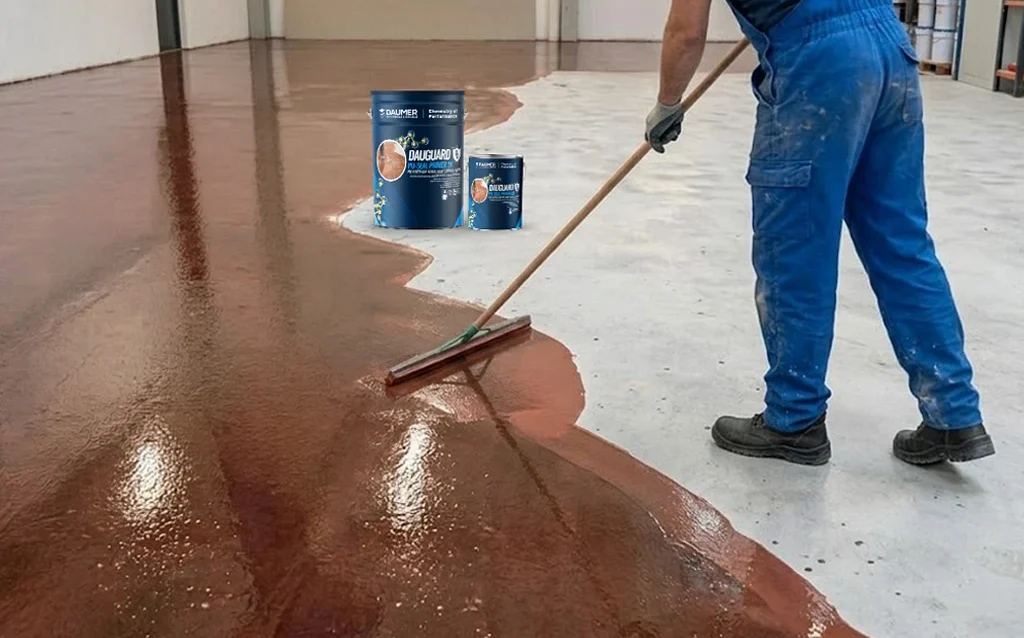
When executing waterproofing or resinous flooring over concrete slabs and retaining walls, underground moisture is your most destructive hidden enemy. Applying a traditional non-breathable layer before the concrete is fully cured (or on slabs resting on high groundwater tables) traps moisture,…
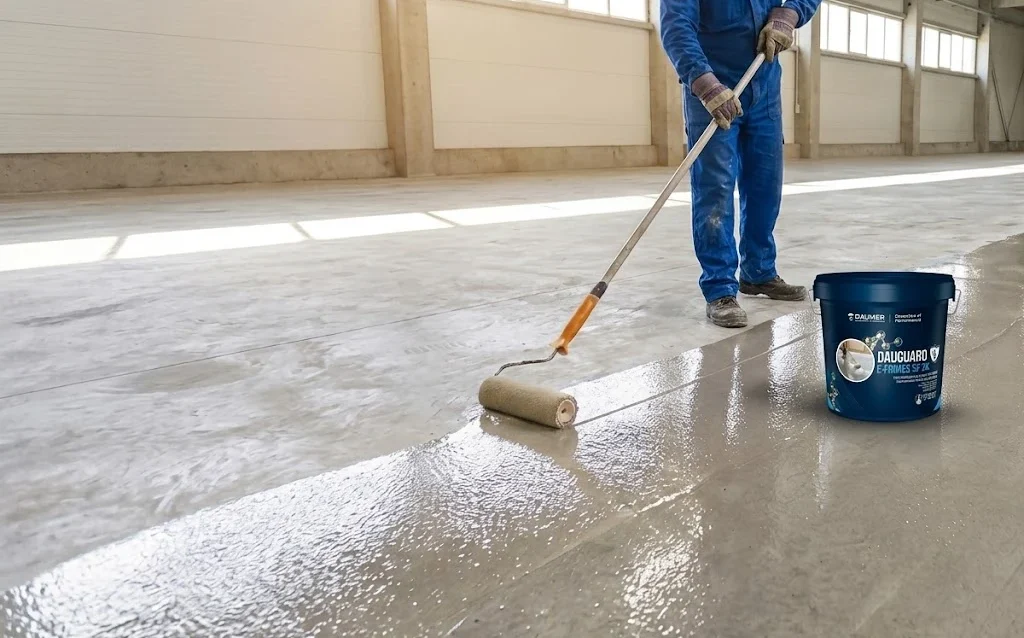
Stopping Concrete Dusting: Priming Guidelines Before Epoxy and PU Floor Coatings
The primary vulnerability of concrete floors in industrial plants, logistics facilities, and parking structures is surface dusting. A dusting floor indicates that the concrete matrix has lost its mechanical skin strength. Attempting to apply epoxy/polyurethane coatings or liquid waterproofing directly over…
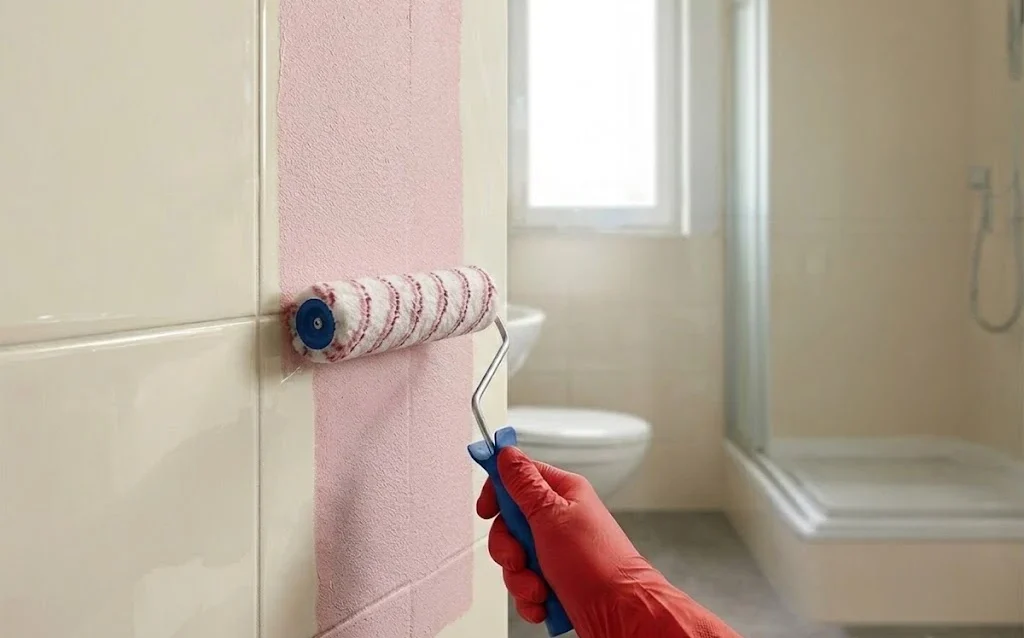
Tile-Over-Tile Renovation Without Demolition: Ceramic Transition Guide
Demolishing old tiles during residential, office, or commercial renovations means dealing with massive debris, high labor expenses, disruptive noise, heavy dust, and worst of all, substantial project delays. To bypass this headache, contractors prefer tiling directly over the old layer. However,…
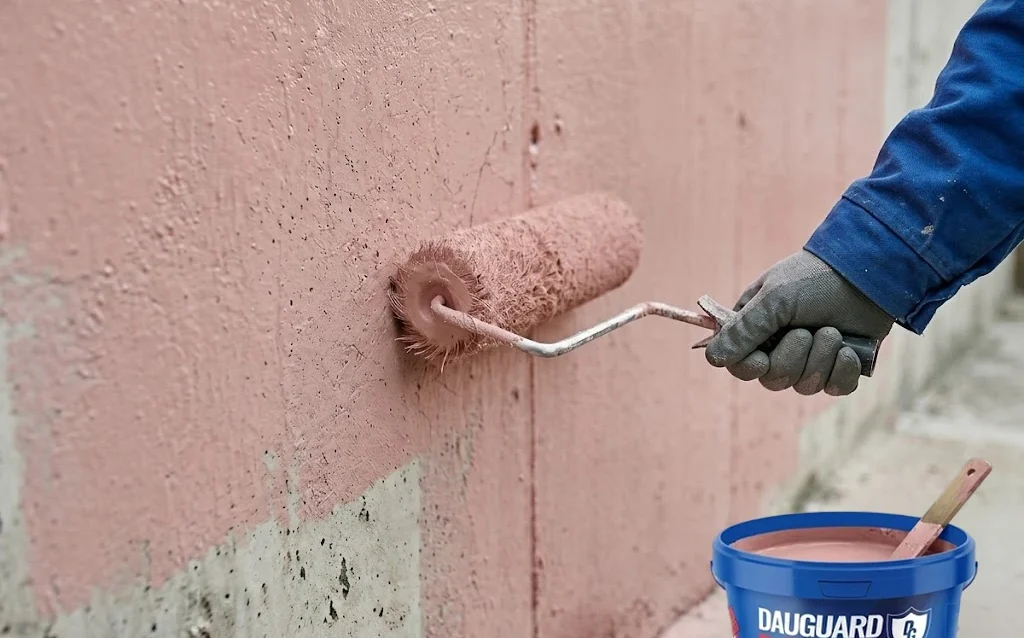
Why Does Plaster Peel Off Fair-Faced Concrete? Adhesion and Absorption Control
In construction projects, fair-faced or bare concrete surfaces are structurally smooth, glossy, and low in porosity. When gypsum or cementitious plasters are applied directly onto these slick surfaces, the fresh mortar fails to find a mechanical key to anchor into, leading…
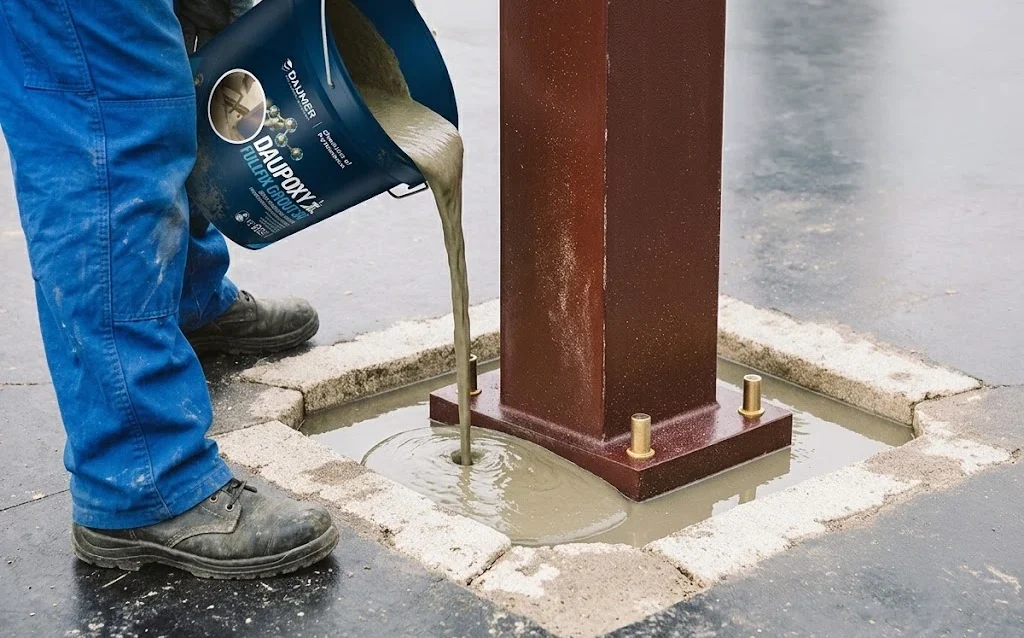
What is Grout Mortar? Steel Column Anchoring and Heavy Machinery Casting
In modern civil engineering, anchoring steel structures to foundations, installing crane base plates, or positioning bridge bearings requires millimeter-level precision and immense load-bearing capacities. It is strictly mandatory that no hollow spaces are left beneath the steel base plates. Because traditional…
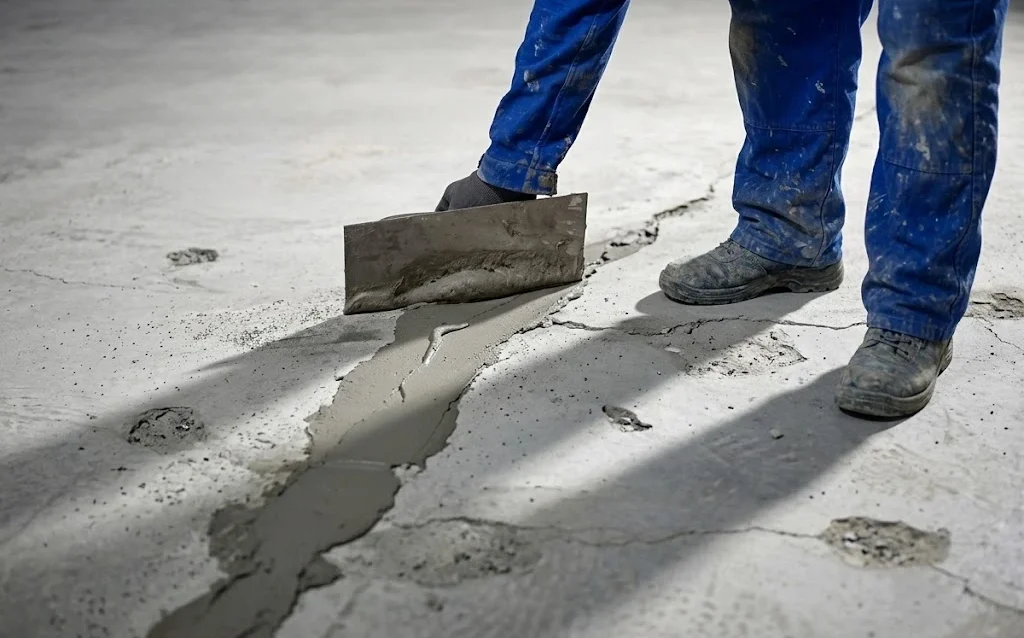
Epoxy Strength in Heavy Industrial Flooring and Expansion Joint Installation
Iron and steel factories, logistics warehouses, parking lots, and concrete pavements exposed to heavy vehicle traffic operate under extreme mechanical stress. In these high-load areas, floor joints, corner edges, and especially the sides of structural expansion joints are continuously hammered and…
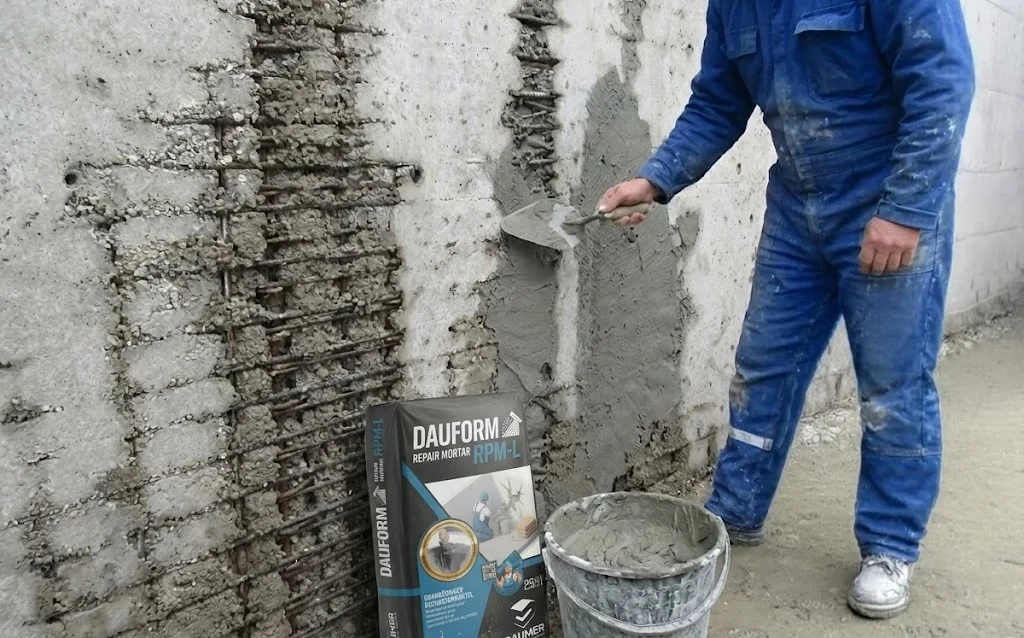
How to Repair Wall Cracks and Plaster Defects: R3 vs. R4 Mortar Guide
Cracks, spalling, and surface defects that occur over time on interior and exterior walls are not just aesthetic issues; they invite moisture and water ingress that shorten a building’s lifespan. The biggest mistake made on job sites is trying to fill…
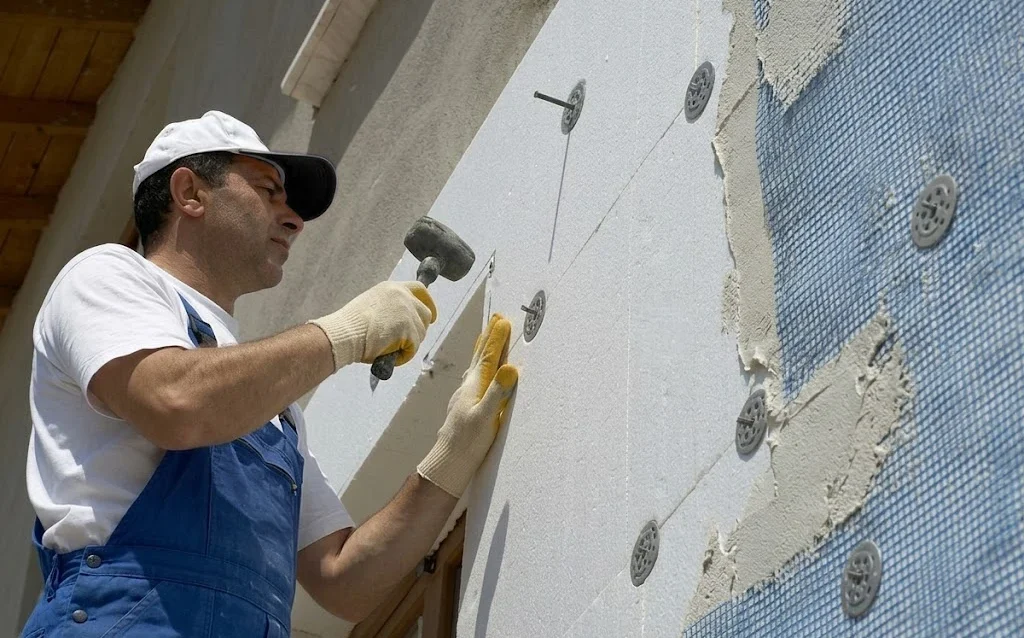
Preventing Thermal Bridging Anchor Marks: Wind Load Safety in High-Rise Buildings
A few years after ETICS execution, dark circular spots often emerge on building exteriors exactly where the insulation anchors reside. This aesthetic failure, known as “ghosting,” occurs when sub-standard or incorrect pins create dangerous thermal bridges, conducting external cold inward and…
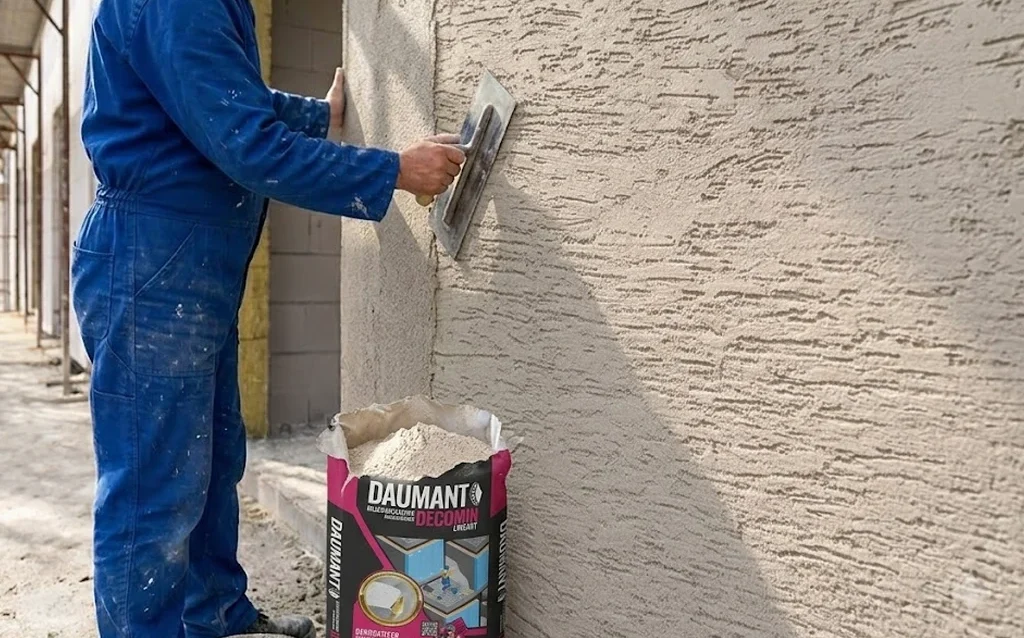
How to Hide Facade Waves and Workmanship Flaws in Insulation Render?
When paint is applied directly over smooth insulation plaster, angular sunlight inevitably exposes every surface wave, trowel mark, and workmanship imperfection like a nightmare. Smooth base coats lack the texturing necessary to mask substrate defects and cannot provide standalone defense against…
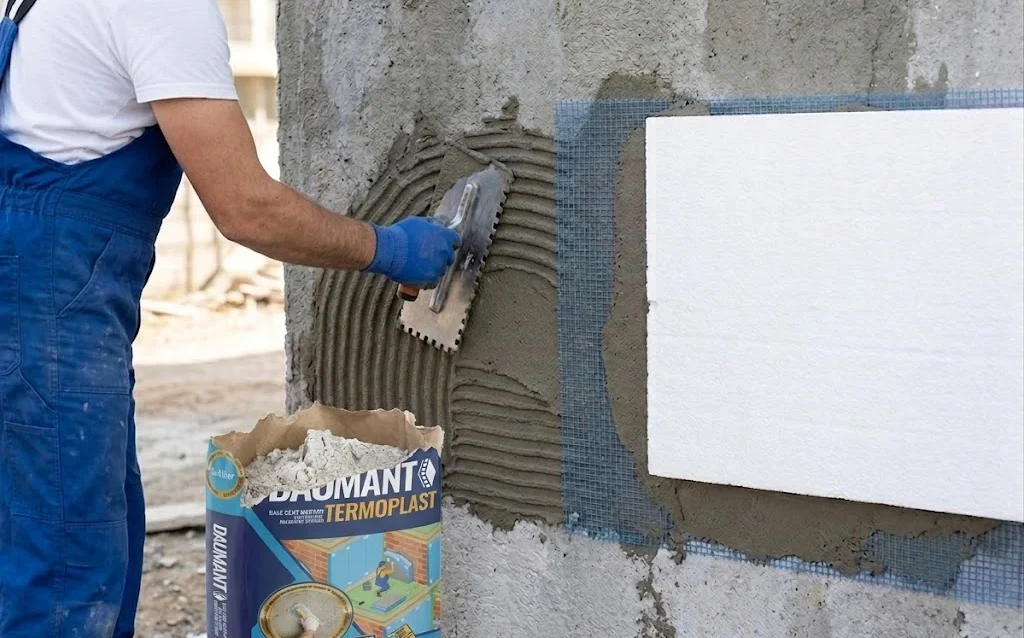
Why Does External Wall Insulation Crack? Choosing the Right Plaster and Adhesive
Insulating a building’s envelope is far more complex than just fixing boards to a wall. Facades are perpetually subjected to severe diurnal temperature shifts, shifting wind loads, and thermal shocks. The most common reasons behind facade cracking and board movement in…