


Contacts
Get in touch
Close

Contacts

Maslak Mh. Ahi Evran Cd. No:21
Polaris Plaza - Floor 26
SARIYER | ISTANBUL / TURKIYE

800 100 975 20 34

GEO: +995 579 704 933

info@daumer.com

Month: July 2026

daumer-photo-blog

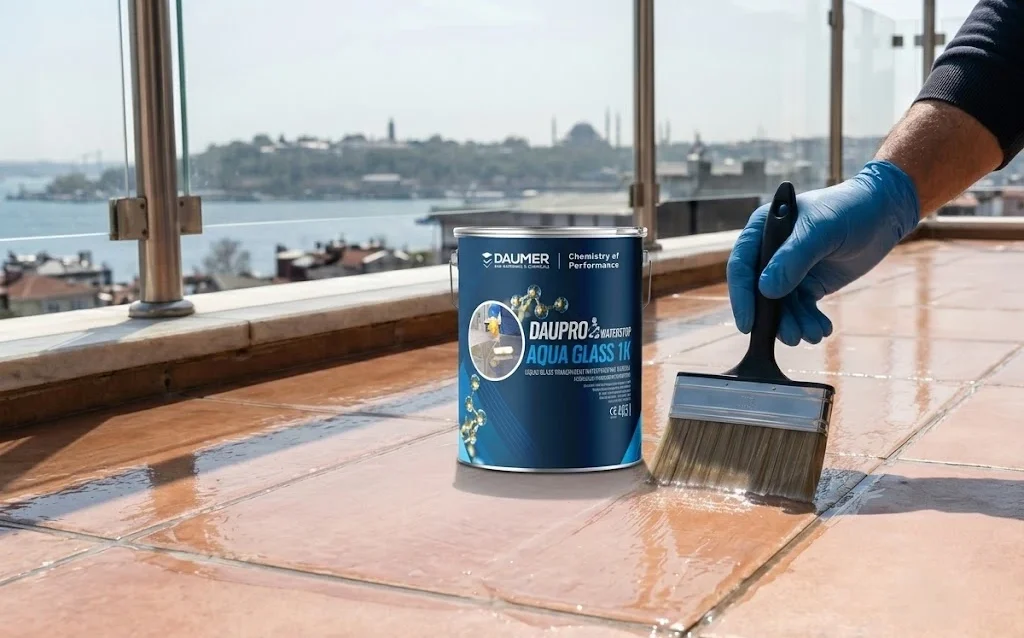
Tile Waterproofing Without Demolition: Liquid Glass and Hybrid MS Polymers

When a balcony or terrace leaks into the lower floor, the traditional reflex is to tear up the tiles and start over. However, this method introduces high contractor expenses, massive rubble dust, and severe project delays. Furthermore, preserving the aesthetic value…
Read More
daumer-photo-blog

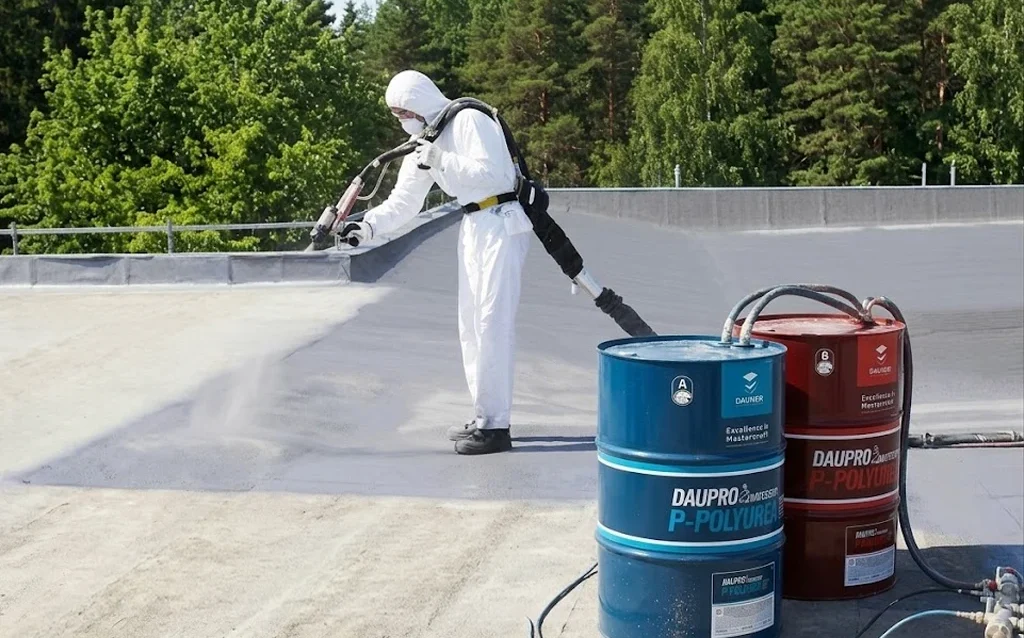
Seamless Roof Waterproofing: Pure Polyurea and Polyurethane Technologies

On large-scale industrial roofs, factory decks, and high-load parking structures, the joint overlaps represent the primary point of failure for waterproofing. Seams, flashing terminations, and drainage edges naturally separate over time due to intense mechanical shifts and weathering. Delivering structural flexibility,…
Read More
daumer-photo-blog

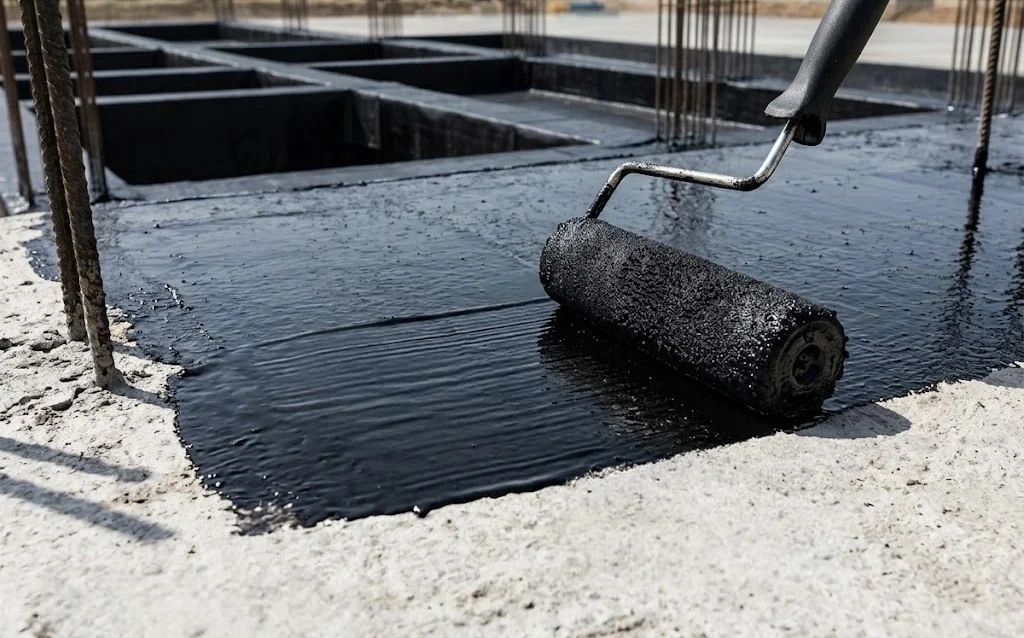
Is Protection Concrete Mandatory in Foundation Waterproofing? Next-Gen Proof Membranes

Traditional below-slab tanking requires a complex sequence: pouring lean concrete, priming, torching two layers of bitumen sheets, and adding a “protection concrete” layer to shield the membrane from rebar damage. This consumes valuable schedule time and adds heavy material expenses. Furthermore,…
Read More
daumer-photo-blog

What is Negative and Positive Waterproofing? Elevator Pits and Pool Solutions

One of the most complex challenges in structural engineering is managing hydrostatic pressure direction. While swimming pools and reservoirs experience internal-to-external (positive) pressure, structures like elevator pits, basement walls, and retaining systems suffer from groundwater pushing from the outside inward (negative)…
Read More
daumer-photo-blog

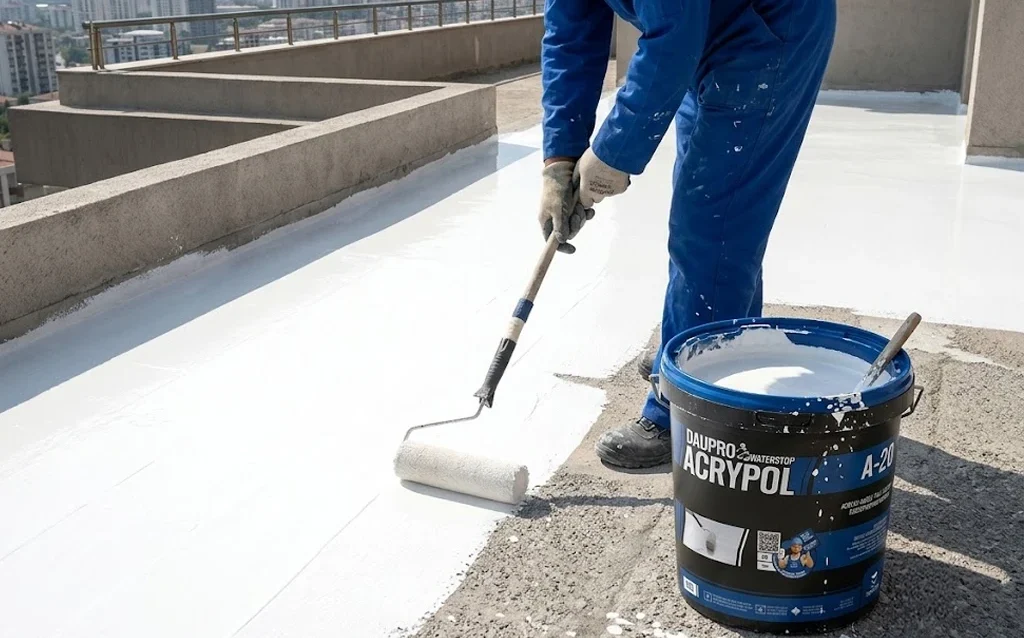
How to Waterproof Sun-Exposed Roofs: Elastomeric Liquid Membranes

Exposed roof terraces, parapets, and hidden gutters act as severe environments for generic coatings. Continuous UV radiation dries out standard sealants, causing yellowing, embrittlement, and micro-cracking. Furthermore, if these areas experience light pedestrian traffic, mechanical friction tears the waterproofing skin, generating…

Read More
daumer-photo-blog

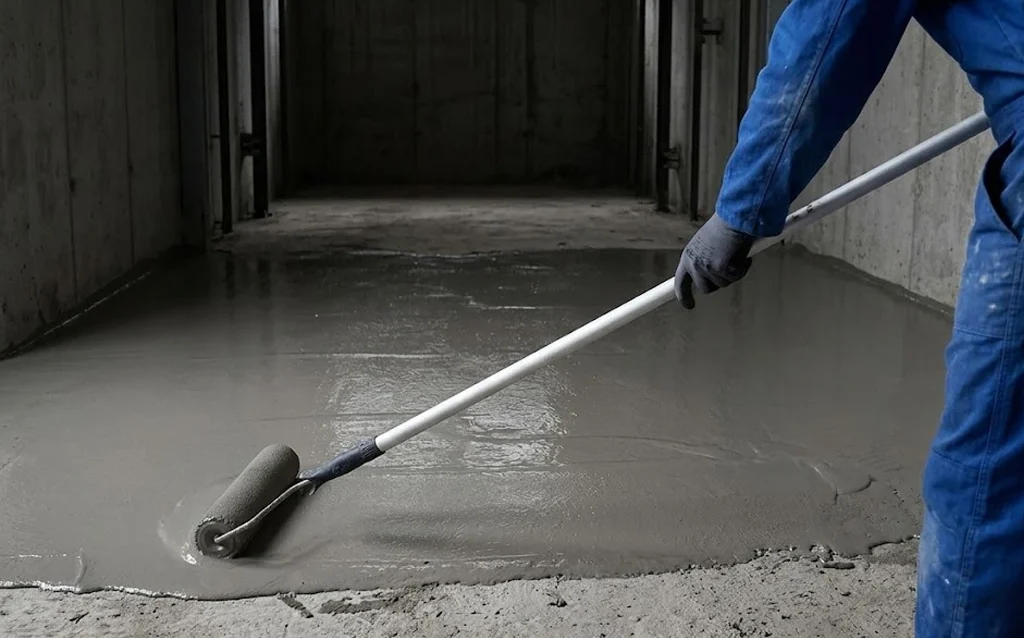
How to Stop Coating Failure on Damp Concrete: Moisture Barrier Technology

When executing waterproofing or resinous flooring over concrete slabs and retaining walls, underground moisture is your most destructive hidden enemy. Applying a traditional non-breathable layer before the concrete is fully cured (or on slabs resting on high groundwater tables) traps moisture,…

Read More
daumer-photo-blog

Stopping Concrete Dusting: Priming Guidelines Before Epoxy and PU Floor Coatings

The primary vulnerability of concrete floors in industrial plants, logistics facilities, and parking structures is surface dusting. A dusting floor indicates that the concrete matrix has lost its mechanical skin strength. Attempting to apply epoxy/polyurethane coatings or liquid waterproofing directly over…

Read More
daumer-photo-blog

Tile-Over-Tile Renovation Without Demolition: Ceramic Transition Guide

Demolishing old tiles during residential, office, or commercial renovations means dealing with massive debris, high labor expenses, disruptive noise, heavy dust, and worst of all, substantial project delays. To bypass this headache, contractors prefer tiling directly over the old layer. However,…

Read More
daumer-photo-blog

Why Does Plaster Peel Off Fair-Faced Concrete? Adhesion and Absorption Control

In construction projects, fair-faced or bare concrete surfaces are structurally smooth, glossy, and low in porosity. When gypsum or cementitious plasters are applied directly onto these slick surfaces, the fresh mortar fails to find a mechanical key to anchor into, leading…

Read More
daumer-photo-blog

What is Grout Mortar? Steel Column Anchoring and Heavy Machinery Casting

In modern civil engineering, anchoring steel structures to foundations, installing crane base plates, or positioning bridge bearings requires millimeter-level precision and immense load-bearing capacities. It is strictly mandatory that no hollow spaces are left beneath the steel base plates. Because traditional…

Read More