


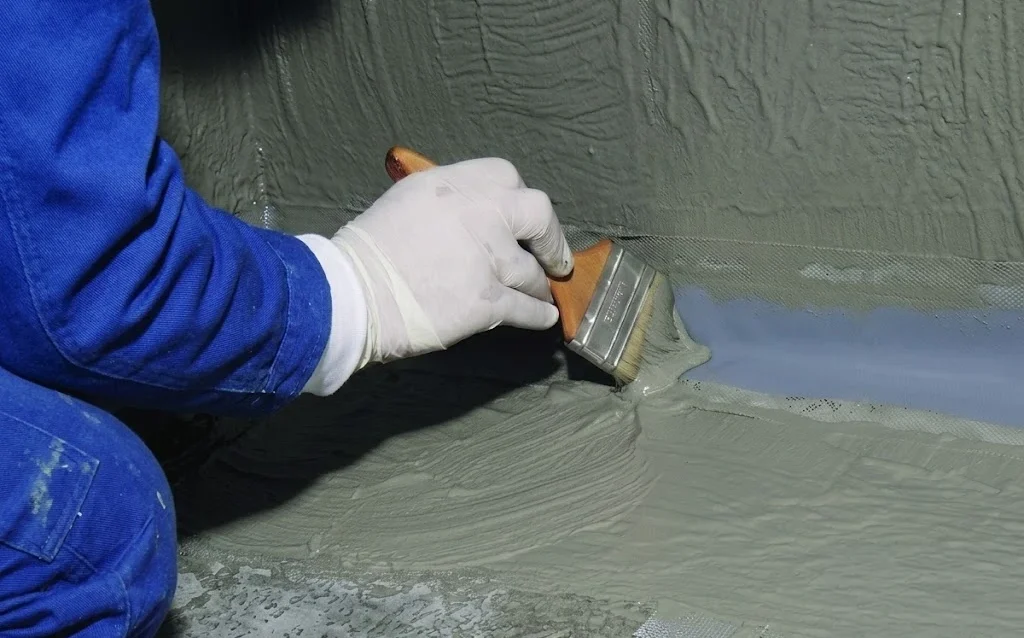
In residential wet rooms, large terrace decks, and commercial pools lined with liquid membranes, over 90% of structural water leaks occur directly at the 90-degree wall-to-floor junctions and cold joints. As a building settles or undergoes thermal expansion, these sharp structural…
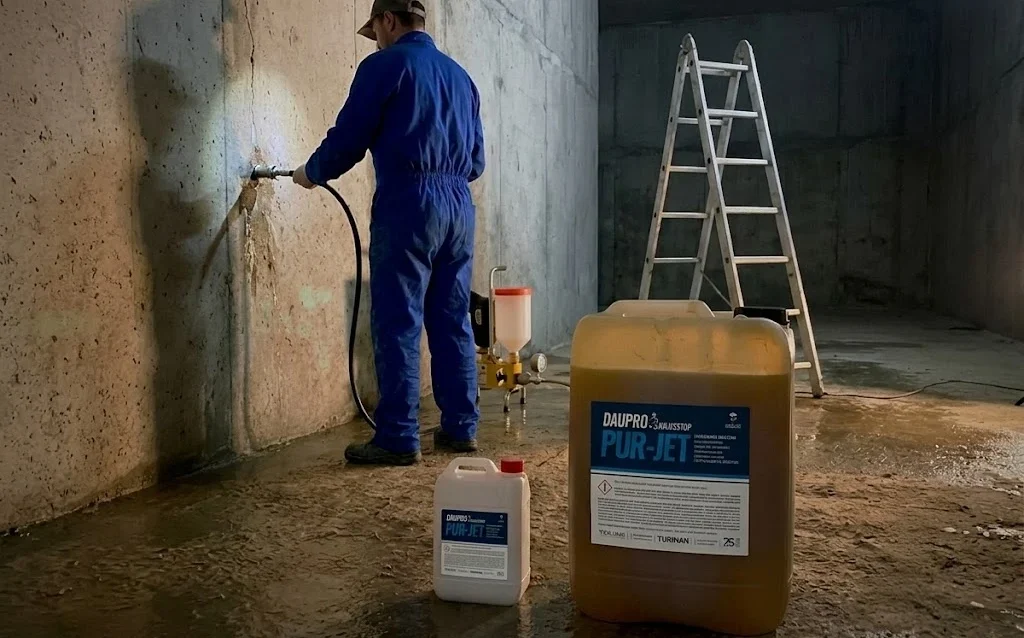
Halting Active Water Leaks in Concrete: Pressure Injection and Crystalline Solutions
Once below-grade foundation walls are poured and backfilled, high groundwater tables often force continuous water streams through structural cracks and tie-rod holes. Because the water exerts negative hydrostatic pressure from the outside, generic surface-applied coatings lack the capacity to resist the…
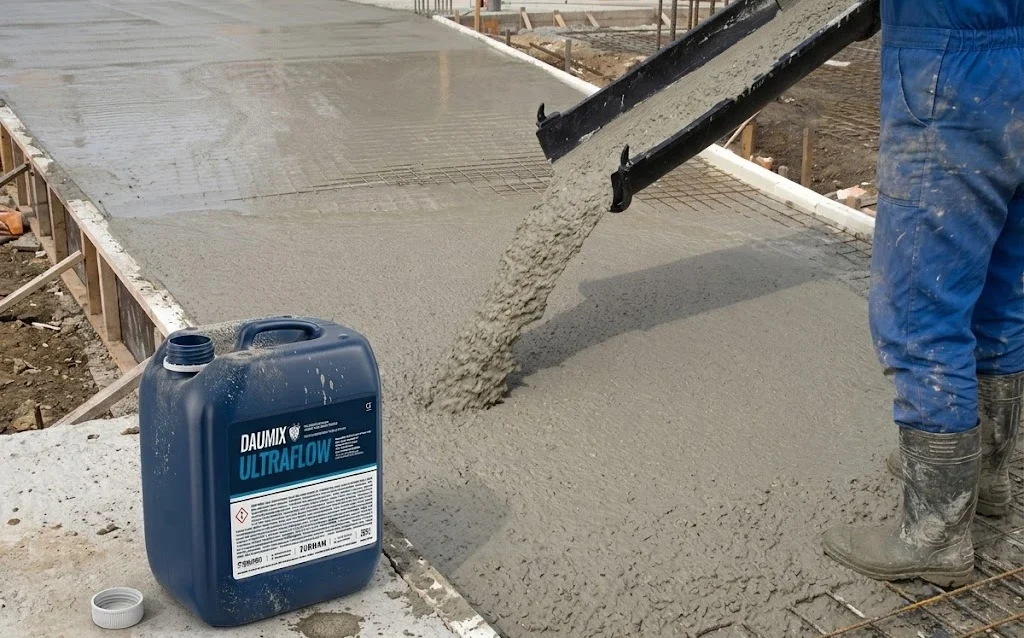
Concreting in Sub-Zero Winter Conditions: Concrete Admixtures Guide
The moment fresh structural ready-mix concrete leaves the batching plant, it enters a critical battle against the ambient climate. In freezing winter conditions, the water inside the fresh paste crystallizes, halting the essential hydration reaction and shattering the internal matrix. Conversely,…
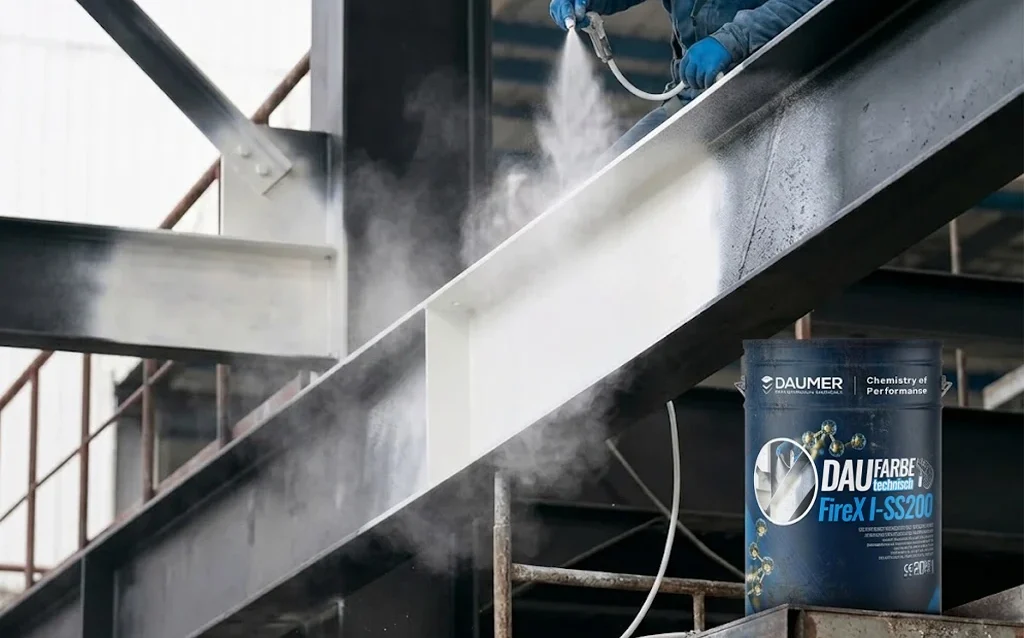
Passive Fire Protection in Steel Structures: What is Intumescent Paint?
Modern commercial designs and logistics hangars heavily rely on structural steel frames. However, when exposed to intense fire temperatures, structural steel rapidly loses its load-bearing yield strength, leading to sudden building collapse. To guarantee safe occupant evacuation, securing columns, steel trusses,…
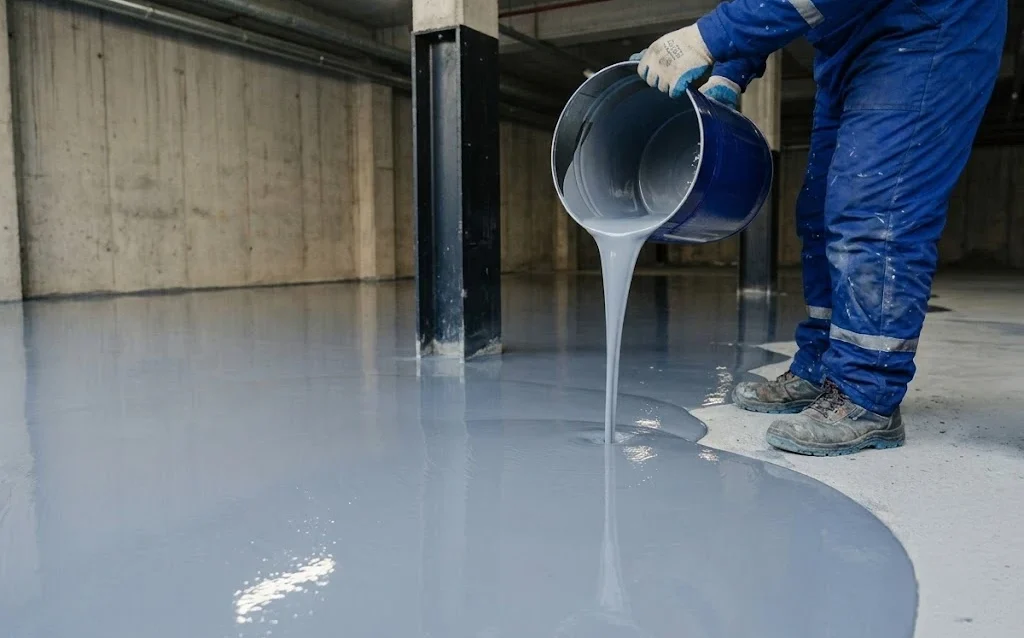
Choosing Industrial Flooring Systems: Epoxy vs. Polyurethane Solutions
Heavy manufacturing floors, food processing corridors, and high-occupancy commercial parking decks undergo the most destructive physical degradation in any structure. Untreated concrete slabs deteriorate under rolling traffic, absorb toxic chemical spills, and generate continuous cement dust, which violates global hygiene frameworks….
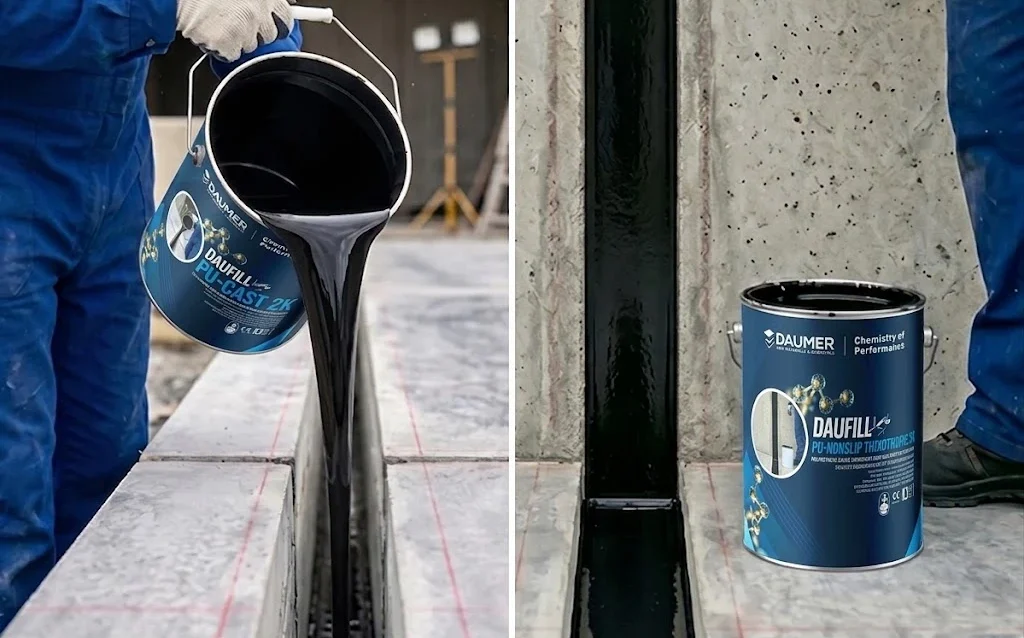
How to Seal Industrial Expansion Joints: Polyurethane Sealant Engineering
In heavy industrial plants, multi-story parking decks, and logistics hubs, the primary structural vulnerabilities are saw-cut joints and structural building dilatations. Due to heavy wheel loads and continuous thermal contraction, these structural voids undergo persistent movement. Utilizing lower-grade sealants causes joint…
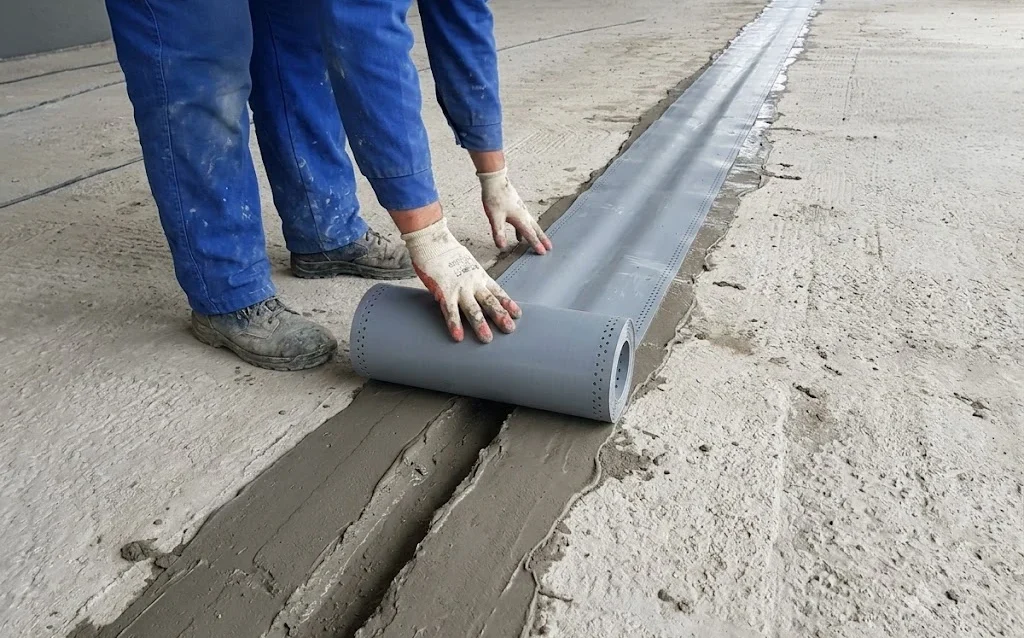
Waterproofing Concrete Cold Joints: PVC and TPE Expansion Waterstops
In large-scale civil engineering, pouring an entire concrete structure monolithically is impossible. Structural weakness areas known as “cold joints” naturally develop between two separate pouring phases—such as the junction between a raft foundation and a retaining wall. These interfaces act as…
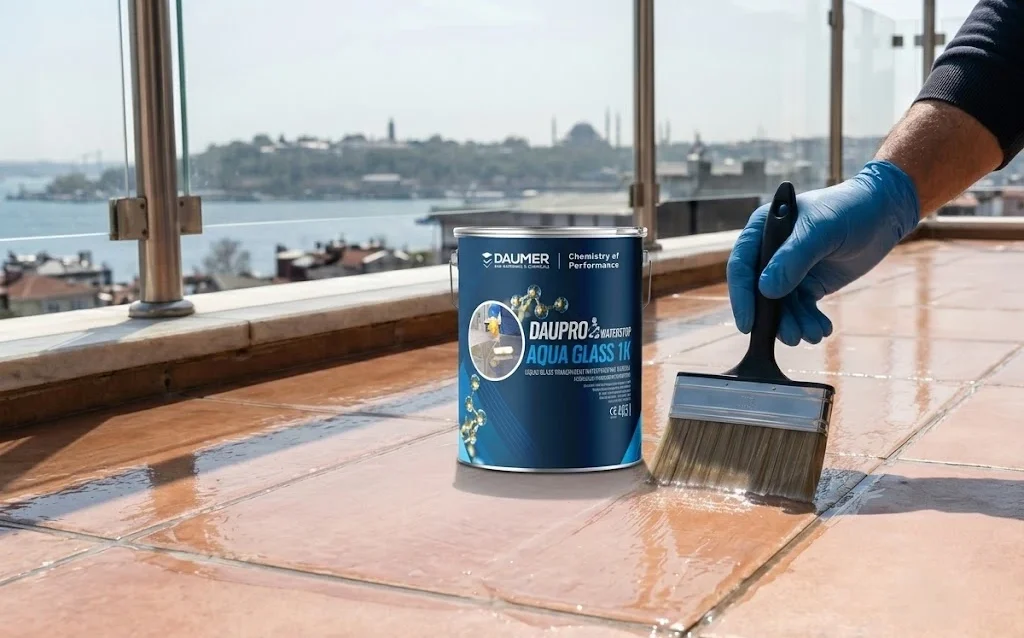
Tile Waterproofing Without Demolition: Liquid Glass and Hybrid MS Polymers
When a balcony or terrace leaks into the lower floor, the traditional reflex is to tear up the tiles and start over. However, this method introduces high contractor expenses, massive rubble dust, and severe project delays. Furthermore, preserving the aesthetic value…
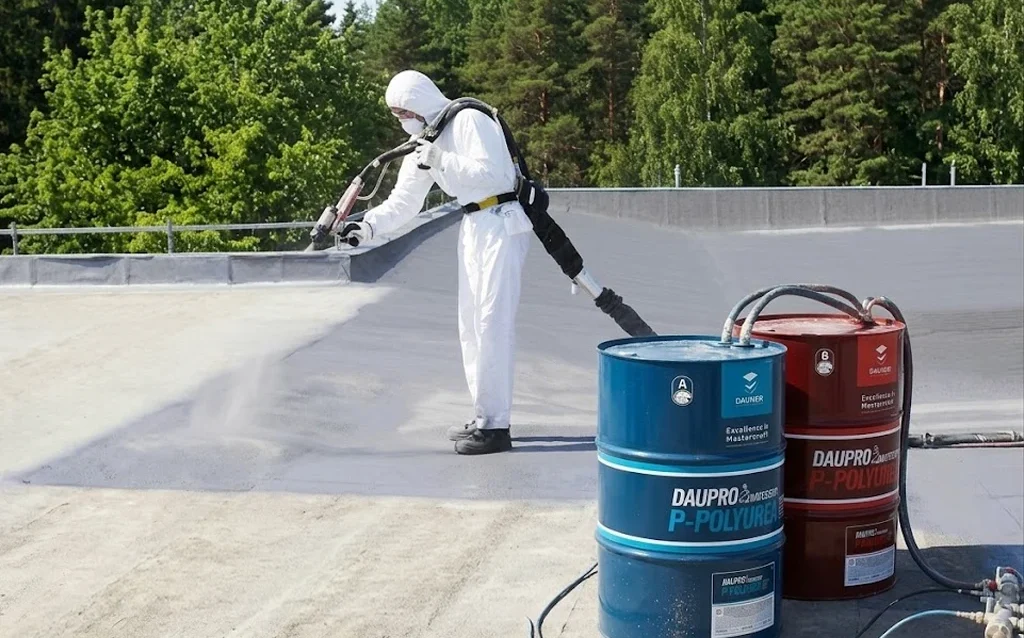
Seamless Roof Waterproofing: Pure Polyurea and Polyurethane Technologies
On large-scale industrial roofs, factory decks, and high-load parking structures, the joint overlaps represent the primary point of failure for waterproofing. Seams, flashing terminations, and drainage edges naturally separate over time due to intense mechanical shifts and weathering. Delivering structural flexibility,…
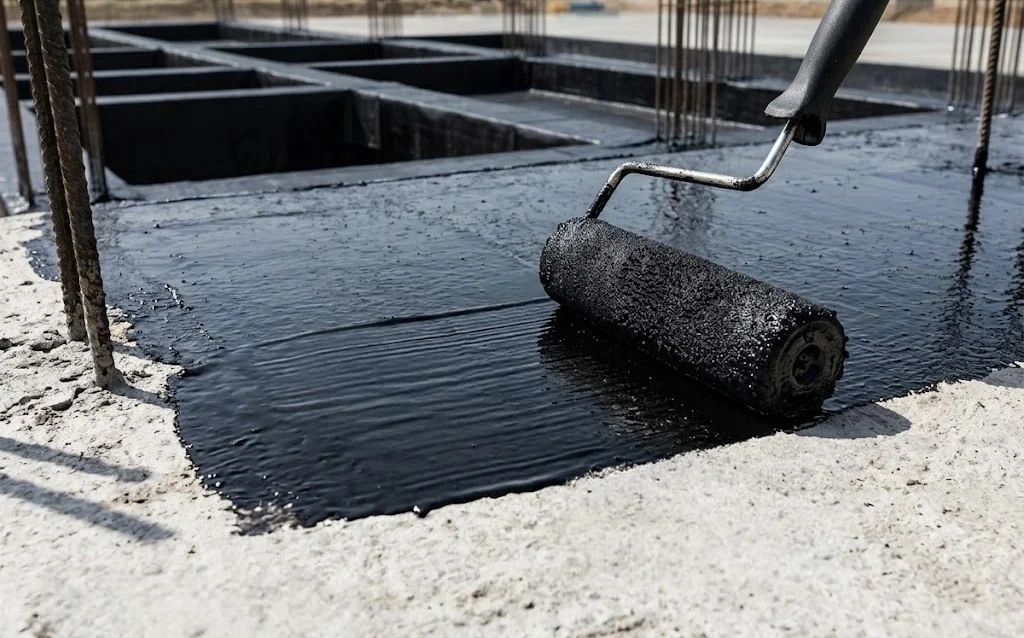
Is Protection Concrete Mandatory in Foundation Waterproofing? Next-Gen Proof Membranes
Traditional below-slab tanking requires a complex sequence: pouring lean concrete, priming, torching two layers of bitumen sheets, and adding a “protection concrete” layer to shield the membrane from rebar damage. This consumes valuable schedule time and adds heavy material expenses. Furthermore,…