


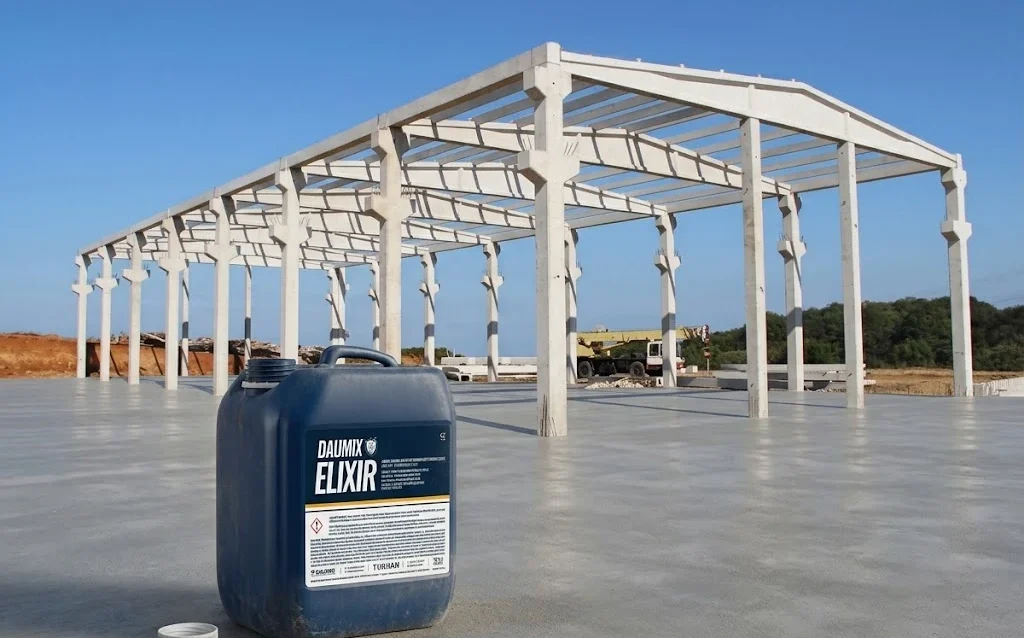
In modern fast-track civil engineering, speed and structural durability directly manage project profitability. Within precast segment facilities or on projects requiring rapid formwork striking cycles, waiting days for concrete to reach stripping thresholds generates high downtime costs. Concurrently, during final finishing…
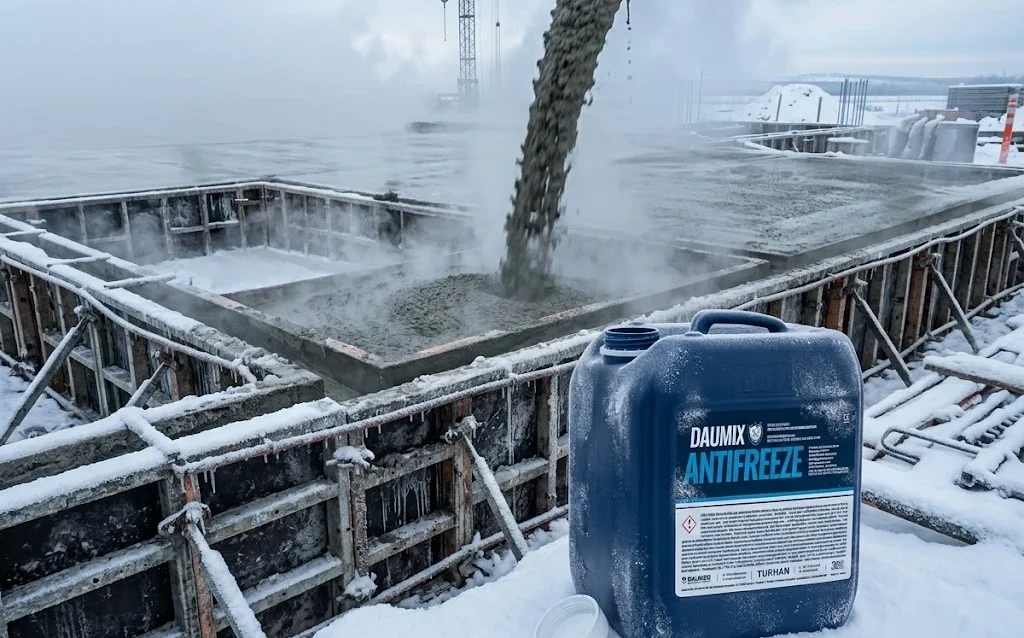
Extreme Weather Concreting: Managing Retarding and Accelerating Admixtures
Meteo profiles dictate the internal thermodynamic behavior of fresh concrete. Pouring concrete during freezing winter conditions exposes the mix to ice formation, which halts the chemical hydration reaction and causes expansive damage to the internal matrix. Conversely, during summer peaks or…
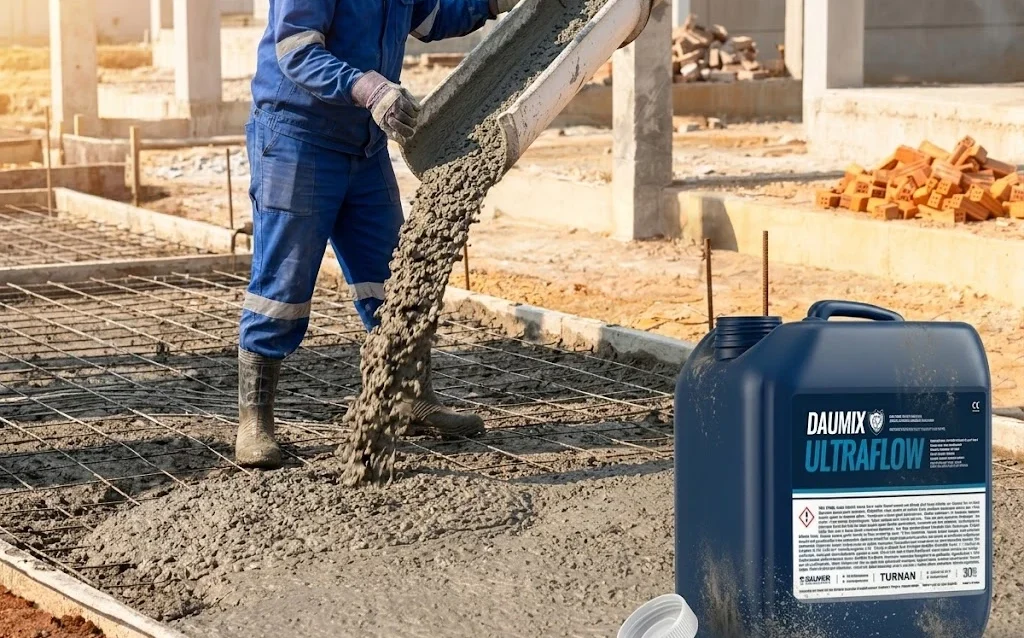
Achieving High-Strength and Integral Waterproof Concrete: PCE and Crystalline Admixtures
In modern civil infrastructure, raft foundations of high-rise structures, commercial aquatic centers, and below-grade walls carry immense structural configurations. The two primary engineering objectives for these critical components are maximizing compressive strengths and eliminating capillary water ingress. However, adding excess site…
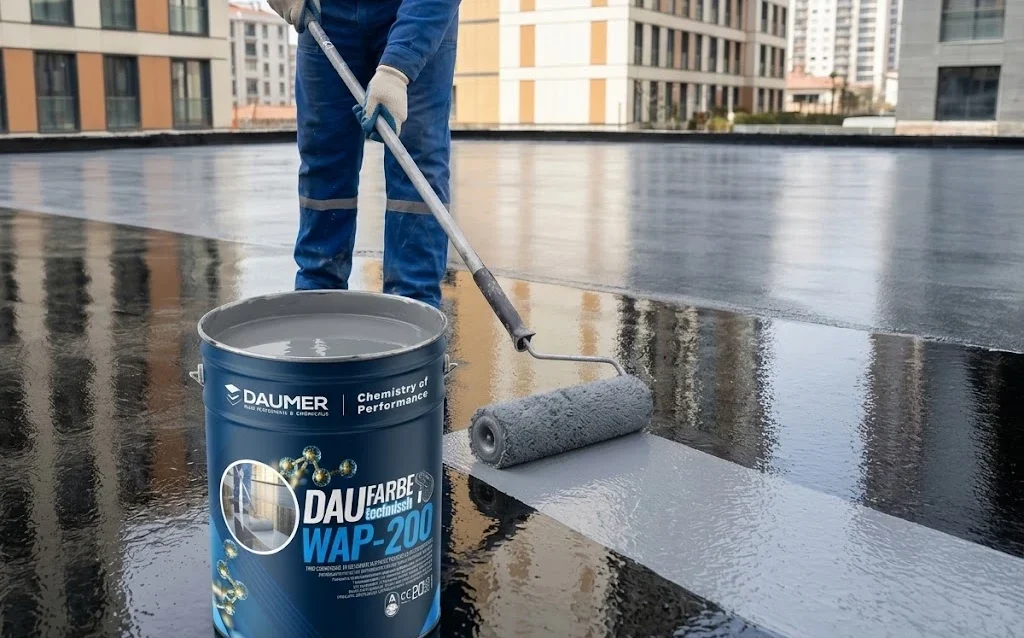
Accelerating Fast-Track Construction: 60-Minute Flooring and UV Armor
In commercial renovations, retail facility fit-outs, and active multi-story parking structures, waiting days for resinous floors to dry represents a significant loss of operational revenue. Field management demands fast-track, rapid-curing liquid solutions. Another critical vulnerability on exposed roof decks is that…
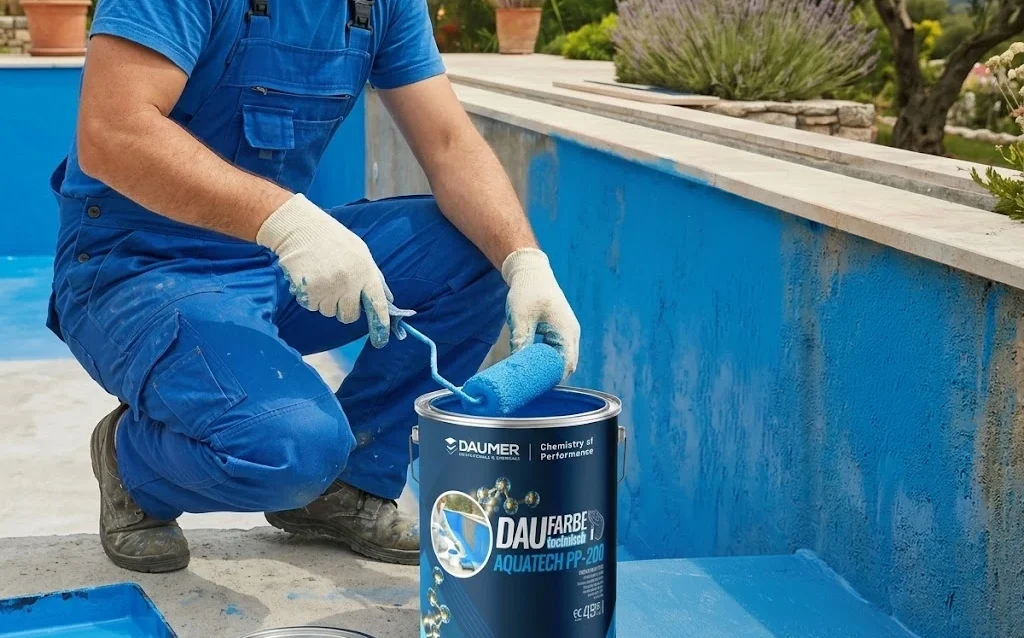
Stopping Mold in Confined Basements and Olympic Pool Coating Methods
A building’s struggle against water is not confined to high-pressure leaks. In retaining basements, underground bunkers, and enclosed commercial kitchens, persistent humidity causes toxic black mold and fungal colonies to spread across masonry surfaces. This generates bad odors and poses health…
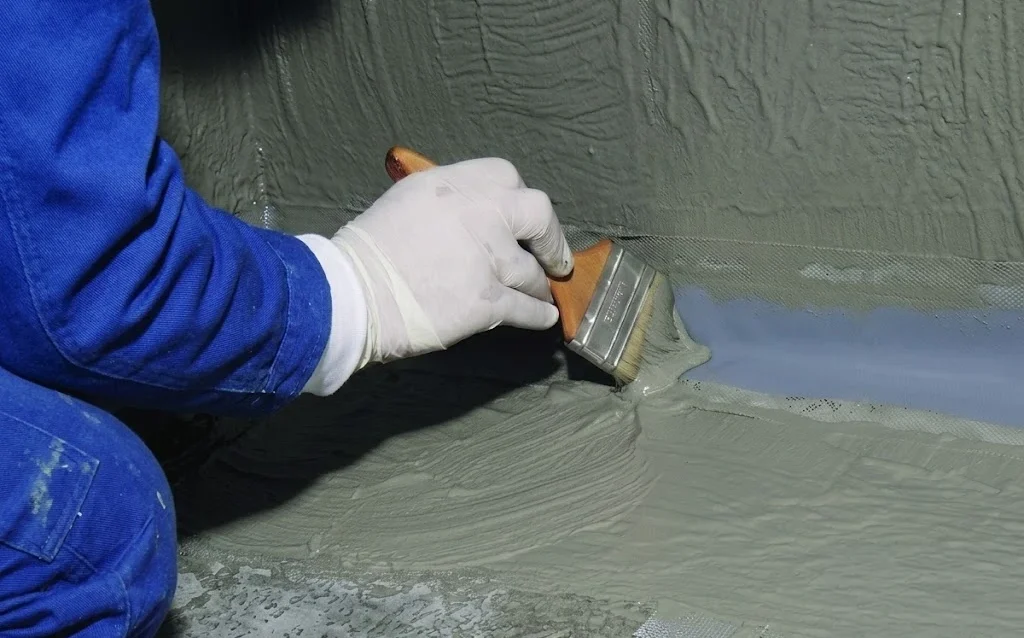
Why Waterproofing Fails at Corners and Joints: Sealing Tapes and Meshes
In residential wet rooms, large terrace decks, and commercial pools lined with liquid membranes, over 90% of structural water leaks occur directly at the 90-degree wall-to-floor junctions and cold joints. As a building settles or undergoes thermal expansion, these sharp structural…
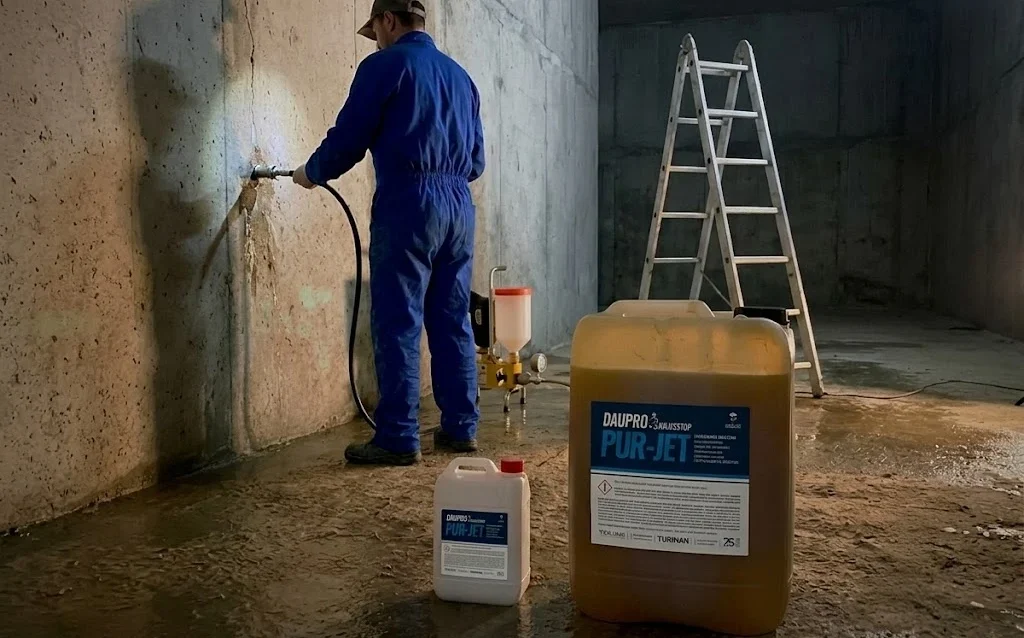
Halting Active Water Leaks in Concrete: Pressure Injection and Crystalline Solutions
Once below-grade foundation walls are poured and backfilled, high groundwater tables often force continuous water streams through structural cracks and tie-rod holes. Because the water exerts negative hydrostatic pressure from the outside, generic surface-applied coatings lack the capacity to resist the…
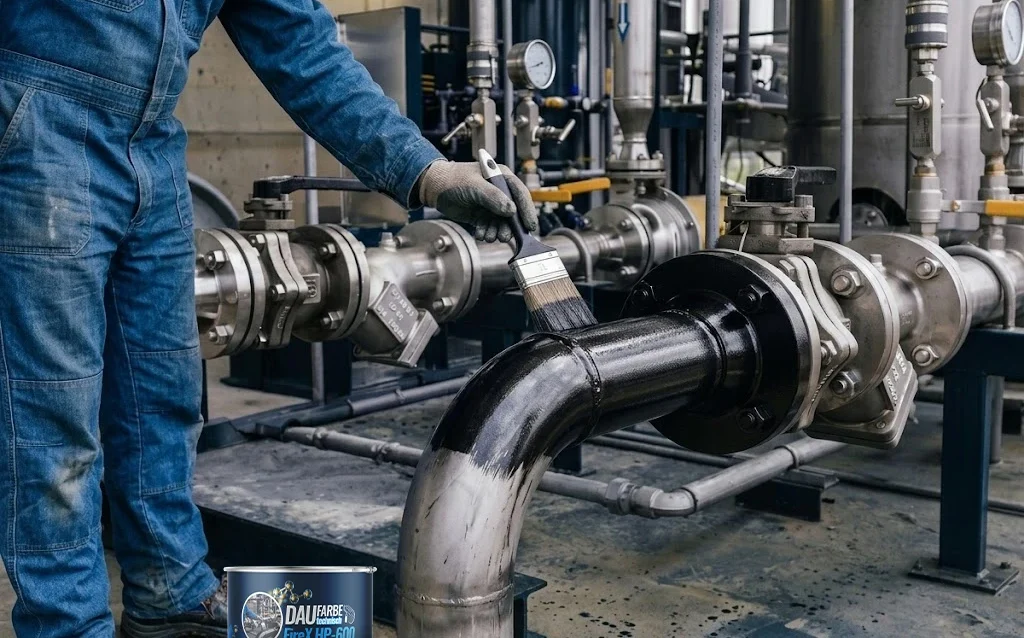
Corrosion Defense in Industrial Stacks: Heat-Resistant Silicone Paints
In heavy manufacturing plants, power generation stations, and metal foundries, components like furnace jackets, heat exchangers, steam lines, and industrial stacks function under relentless thermal loads. Generic machinery paints carbonize and flake off when temperatures cross 150°C. Once exposed, the bare…
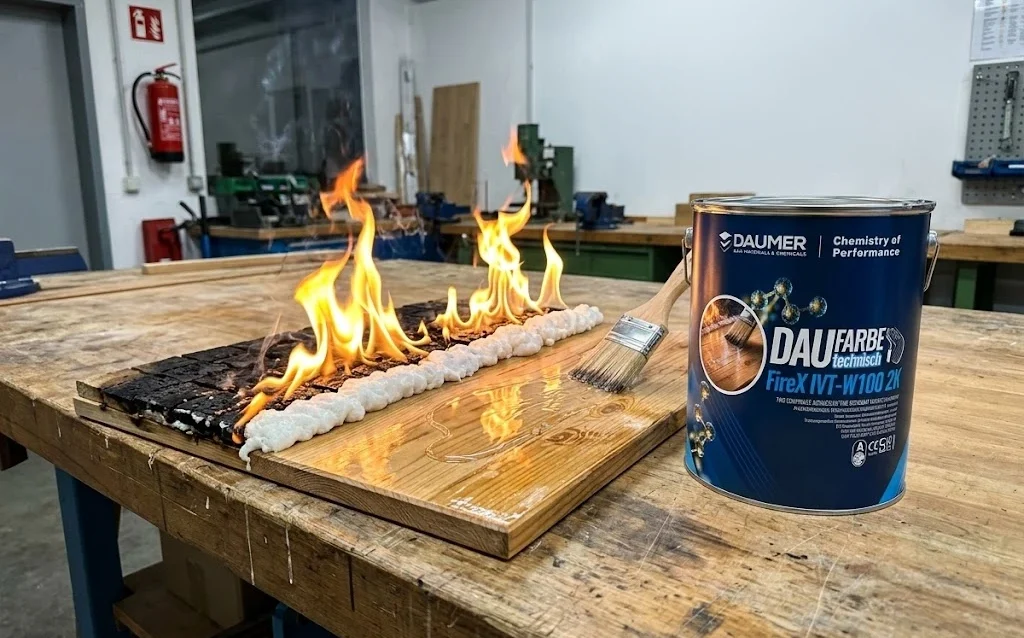
Fire Protection in Wooden Architecture: Optical Clear Intumescent Varnishes
Timber and architectural woodwork bring organic warmth and sustainability to luxury interior designs. However, when evaluating fire hazards, unfinished wood presents rapid flame spread risks that accelerate internal structural danger. While architects seek to safeguard wooden structural columns, wall panels, and…
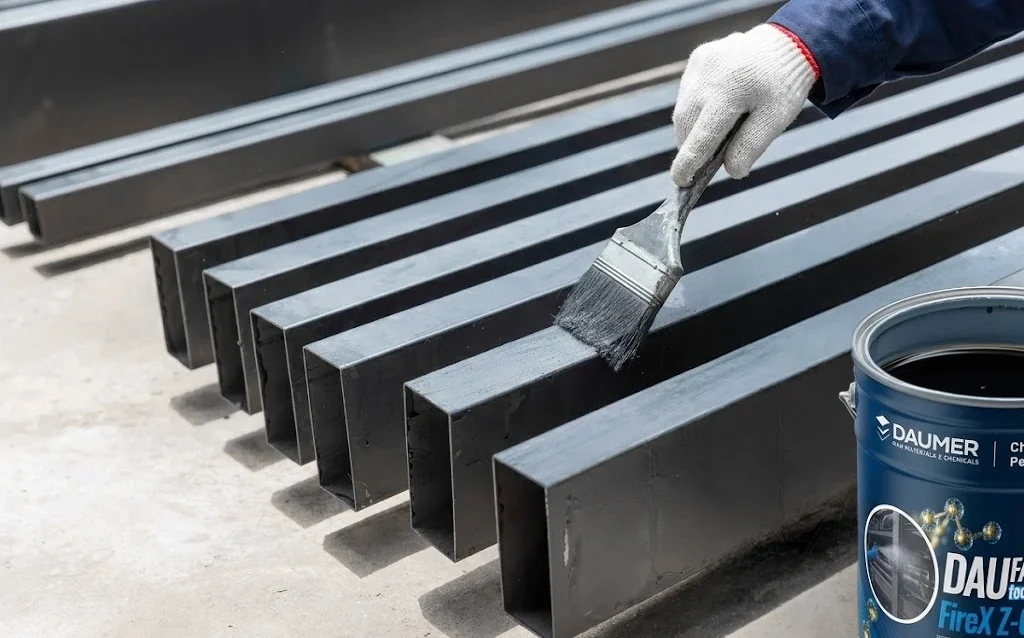
Passive Fire Protection in Steel Structures: Intumescent Paint Guidelines
Modern commercial layouts, logistics warehouses, and high-rise towers heavily rely on structural steel frames. However, steel features a hidden vulnerability: under fire exposure, once the temperature approaches 500°C, steel rapidly loses its mechanical yield capacity, leading to structural collapse within minutes….