


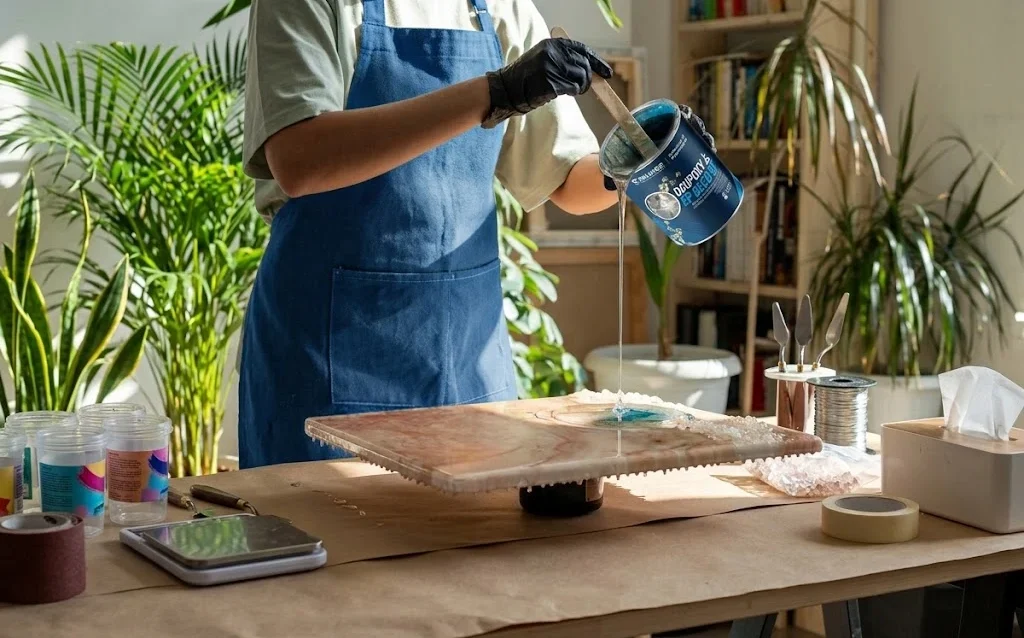
Epoxy resin river tables, custom casting models, transparent art pieces, and architectural coatings over wood or marble represent some of the most dynamic design trends today. However, resin artists and furniture makers face two major technical failures: severe yellowing or clouding…
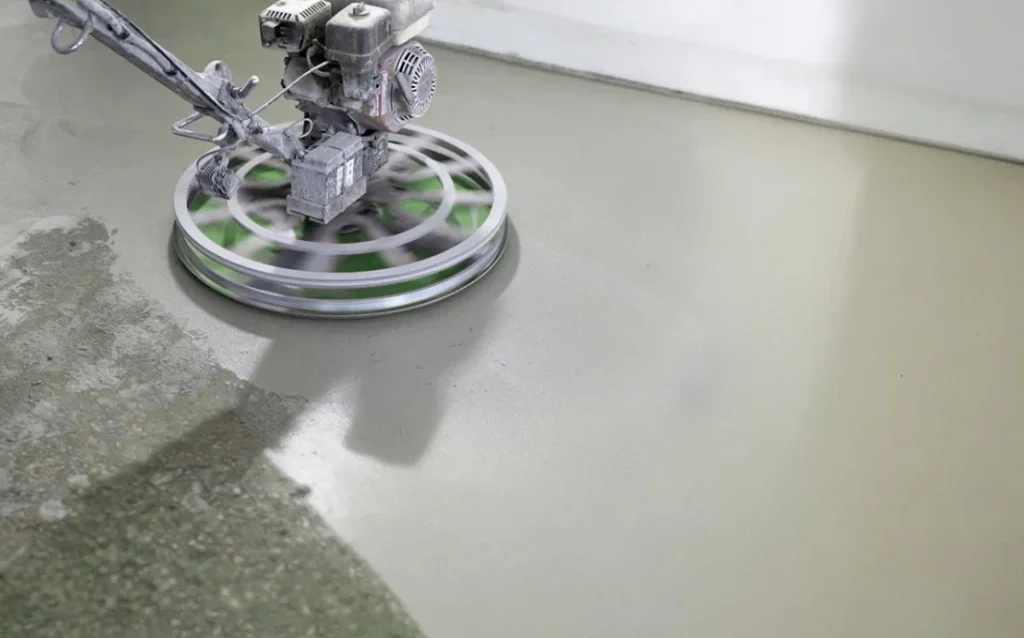
Power-Troweled Concrete Floors and Mineral Surface Hardeners Engineering
Port loading docks, aircraft maintenance hangars, heavy logistics yards, and distribution centers endure massive abrasive loads. Leaving bare concrete unprotected on these properties leads to immediate surface aggregate failure and severe pitting under operational wheel impacts. Conversely, commercial interiors require rapid,…
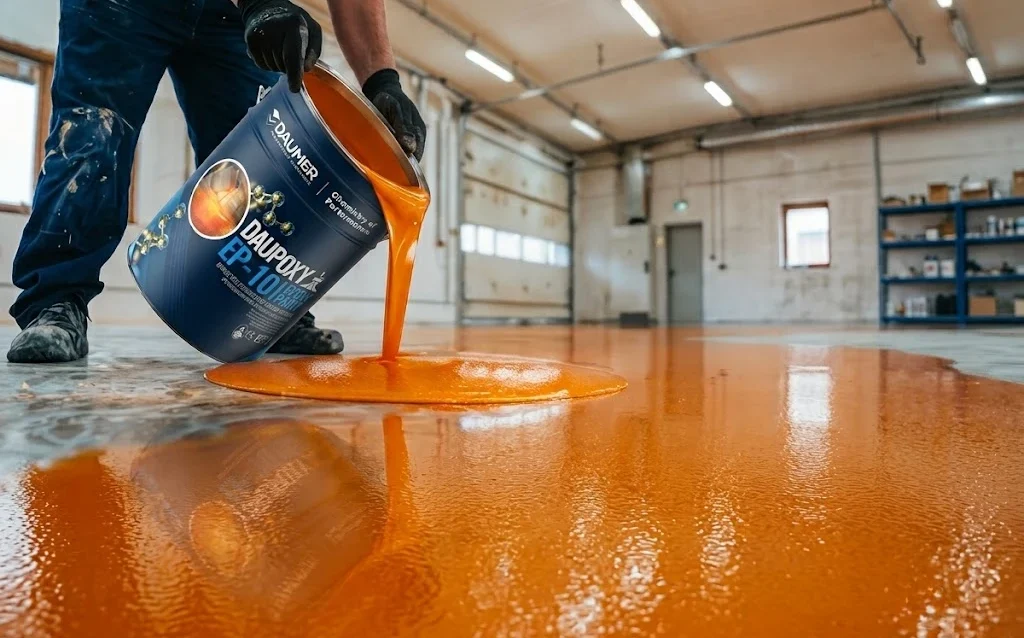
Multi-Story Car Parks and Wet Zone Safety: Orange Peel Epoxy Coatings
Multi-story parking decks, automotive maintenance bays, transit ramps, and wet manufacturing areas face high operational risks regarding slips and skids. Perfectly flat or glossy resin coatings turn into skating rinks at the slightest introduction of moisture or engine oil drops. These…
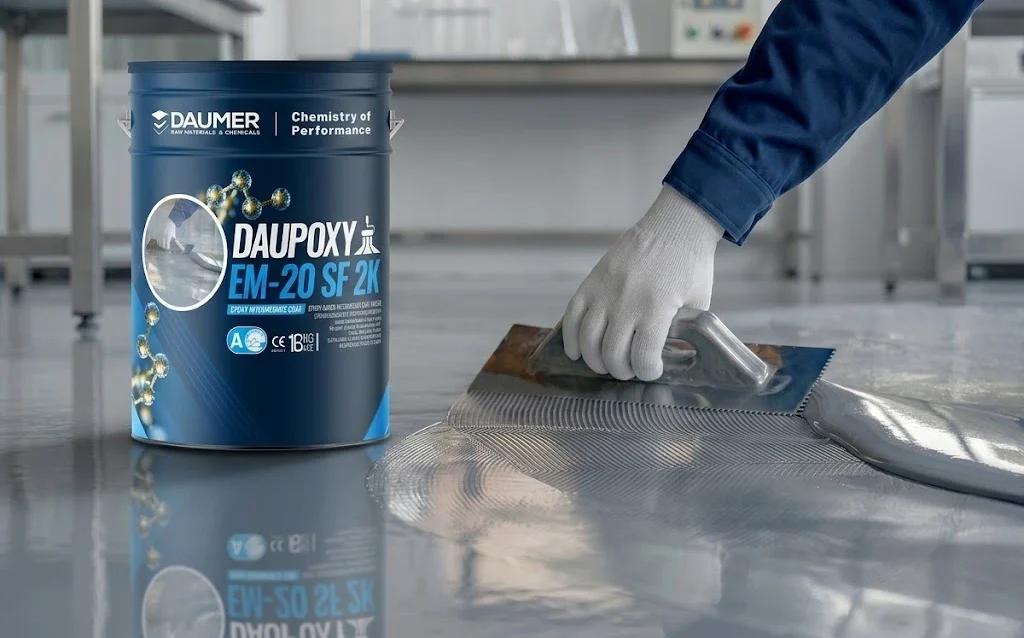
Hygienic Epoxy Flooring Solutions for Food Plants and Laboratories
Food processing plants, commercial mega-kitchens, medical laboratories, and chemical environments mandate the most stringent industrial parameters for flooring substrate protection. These structural slabs face persistent exposure to organic animal fats, acidic spills, alkaline sanitizers, and high-temperature cleaning cycles. Unprotected concrete or…
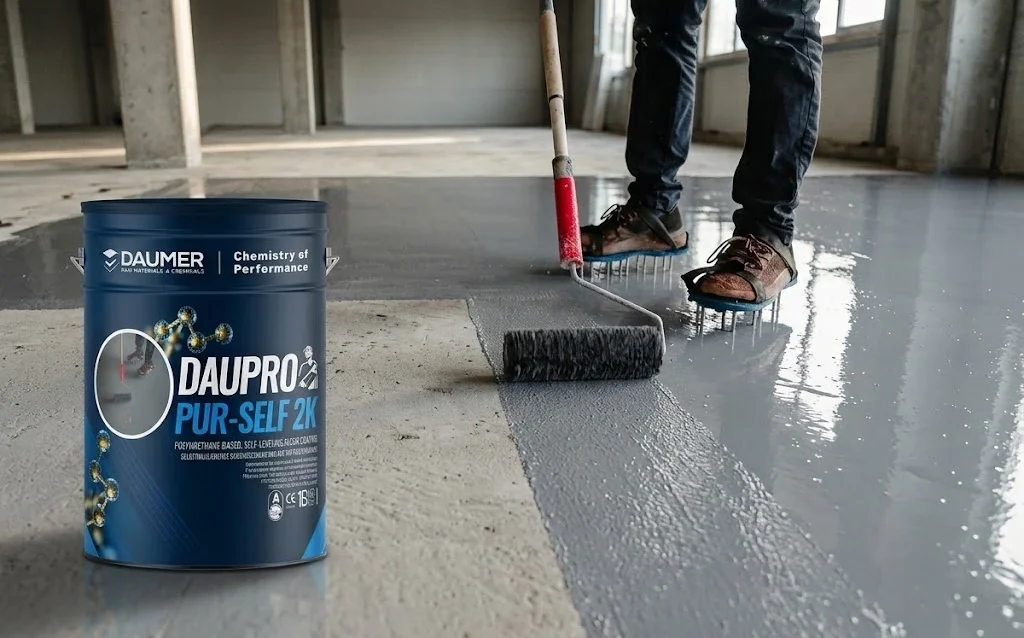
Elastic and Comfortable Industrial Floors: Polyurethane Coating Advantages
In modern commercial and industrial layouts, floors must deliver more than just compressive resistance; they must present enough elasticity to adapt to structural micro-shifts, reduce acoustic noise, and prevent cracking. Rigid floor systems often fracture under dynamic structural vibrations over time….
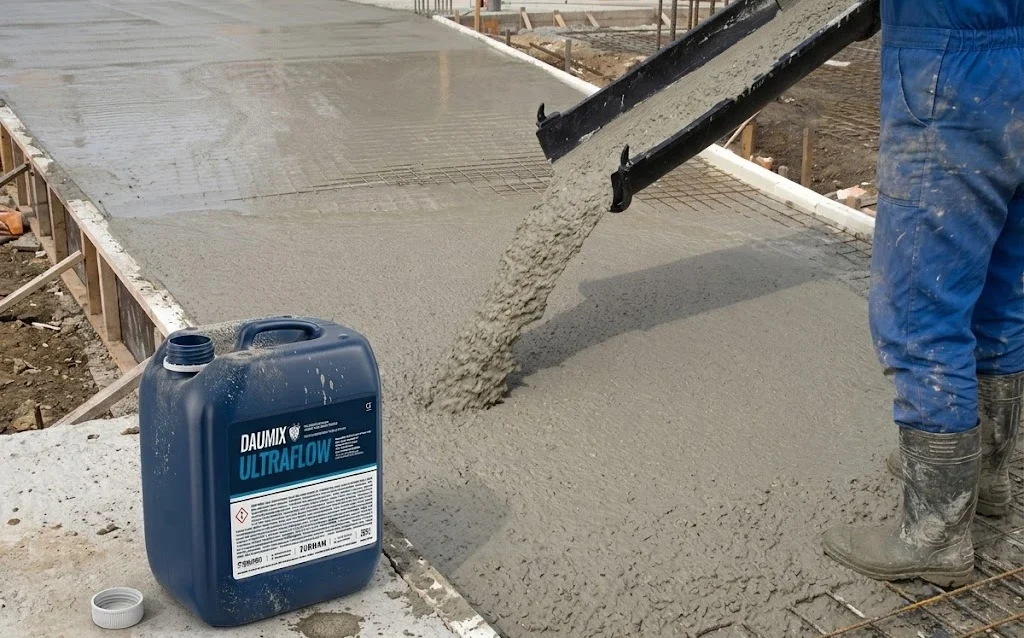
Concreting in Sub-Zero Winter Conditions: Concrete Admixtures Guide
The moment fresh structural ready-mix concrete leaves the batching plant, it enters a critical battle against the ambient climate. In freezing winter conditions, the water inside the fresh paste crystallizes, halting the essential hydration reaction and shattering the internal matrix. Conversely,…
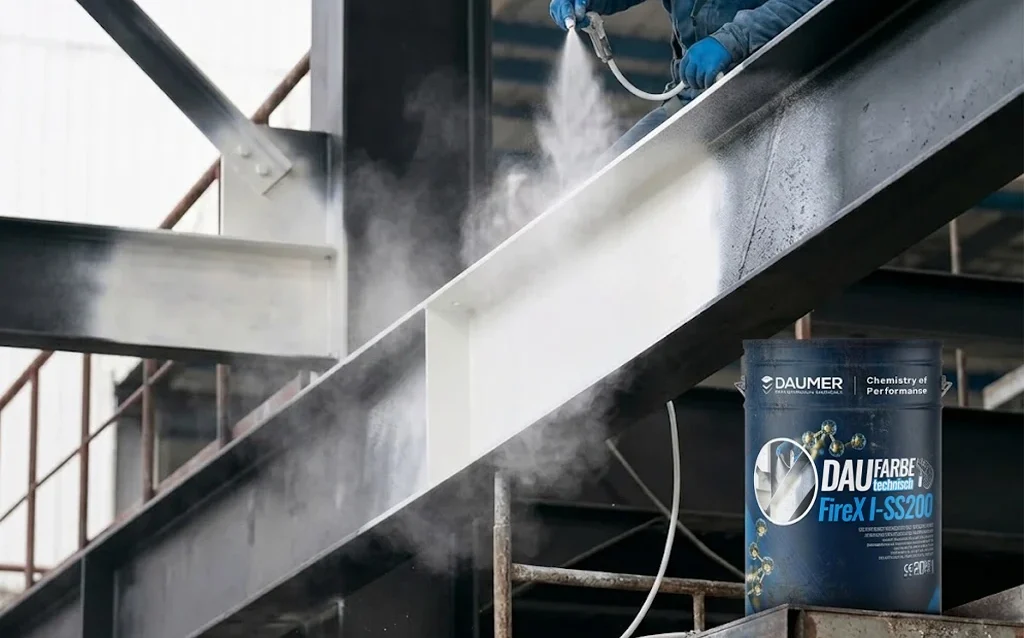
Passive Fire Protection in Steel Structures: What is Intumescent Paint?
Modern commercial designs and logistics hangars heavily rely on structural steel frames. However, when exposed to intense fire temperatures, structural steel rapidly loses its load-bearing yield strength, leading to sudden building collapse. To guarantee safe occupant evacuation, securing columns, steel trusses,…
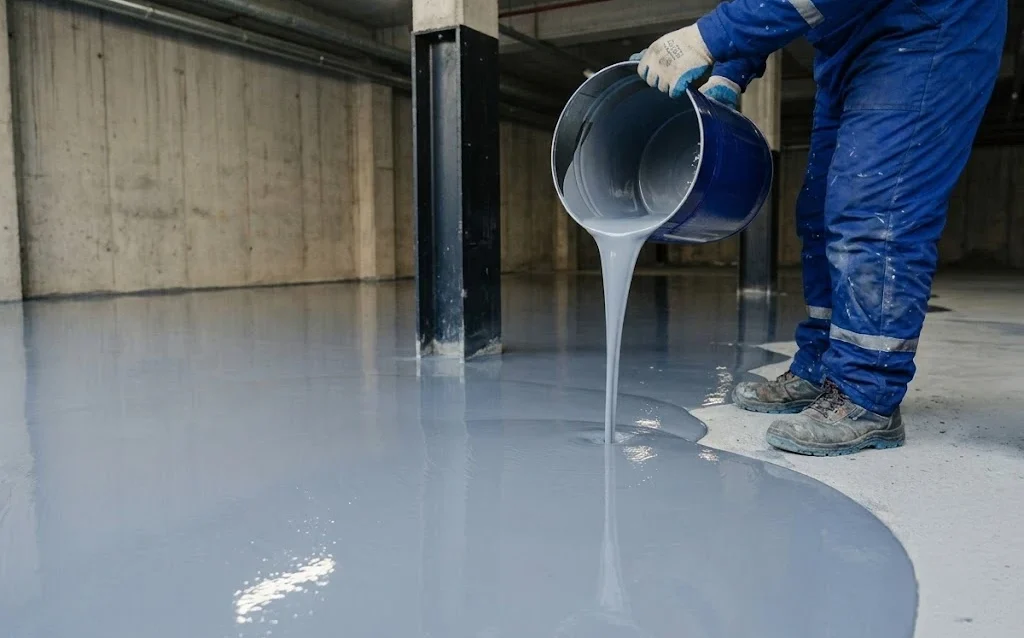
Choosing Industrial Flooring Systems: Epoxy vs. Polyurethane Solutions
Heavy manufacturing floors, food processing corridors, and high-occupancy commercial parking decks undergo the most destructive physical degradation in any structure. Untreated concrete slabs deteriorate under rolling traffic, absorb toxic chemical spills, and generate continuous cement dust, which violates global hygiene frameworks….
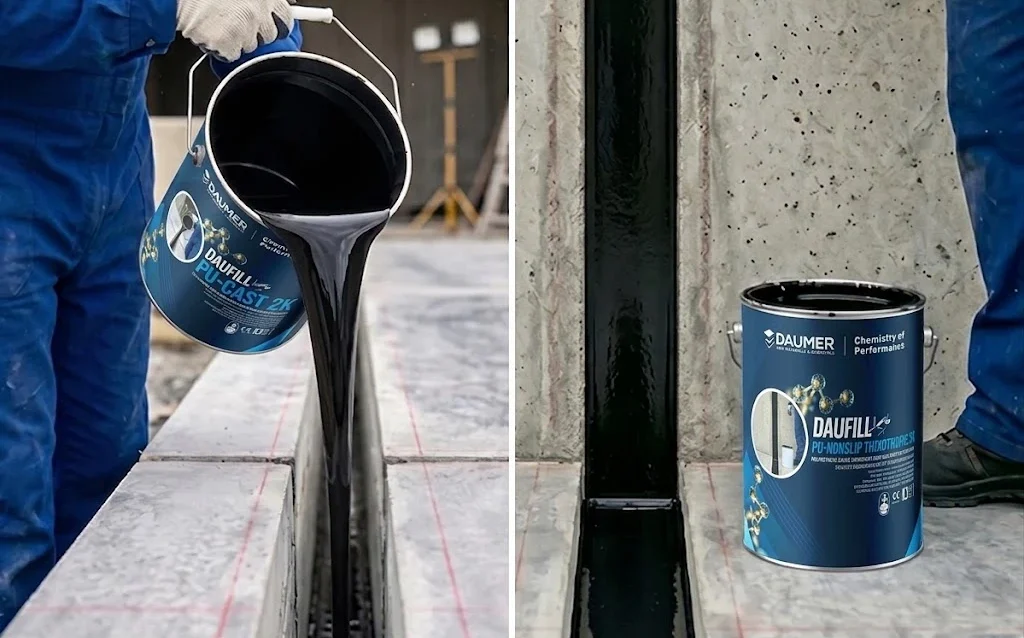
How to Seal Industrial Expansion Joints: Polyurethane Sealant Engineering
In heavy industrial plants, multi-story parking decks, and logistics hubs, the primary structural vulnerabilities are saw-cut joints and structural building dilatations. Due to heavy wheel loads and continuous thermal contraction, these structural voids undergo persistent movement. Utilizing lower-grade sealants causes joint…
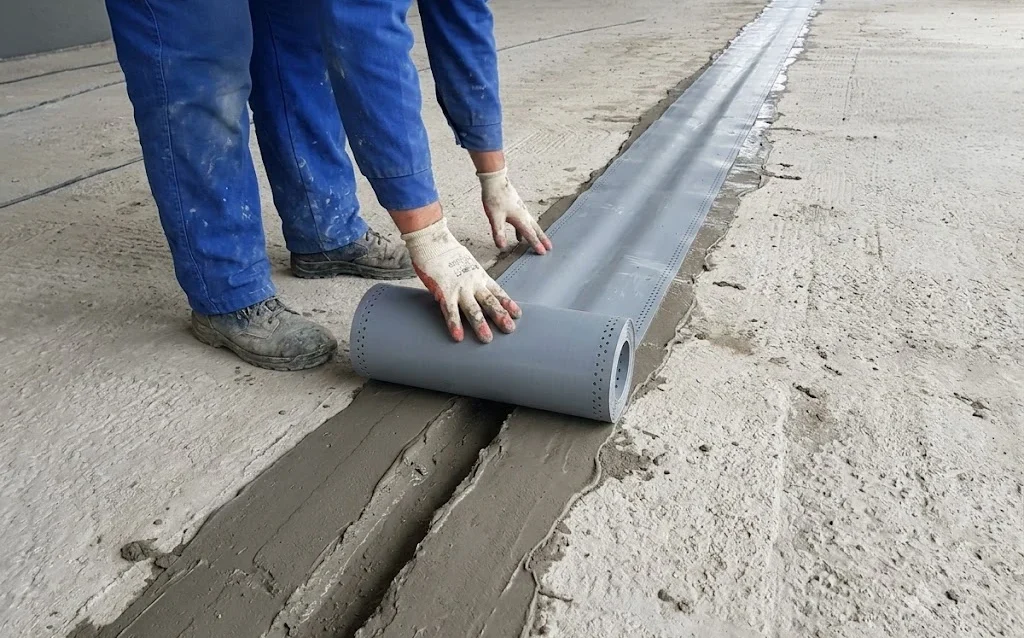
Waterproofing Concrete Cold Joints: PVC and TPE Expansion Waterstops
In large-scale civil engineering, pouring an entire concrete structure monolithically is impossible. Structural weakness areas known as “cold joints” naturally develop between two separate pouring phases—such as the junction between a raft foundation and a retaining wall. These interfaces act as…